
2026 Best Ways to Spot a Fake Bogg Bag?
Buying a Bogg Bag should feel simple, but online listings can blur the difference between genuine stock and a Fake Bogg Bag. The risk is not imaginary. The OECD and EUIPO reported that counterfeit goods represented about 2.5% of global trade, worth nearly $461 billion in 2019. Their research also identified online marketplaces and small parcel shipments as important channels. That matters when a product arrives in a thin plastic sleeve, with a vague seller name and no clear return address.
Kim Vaccarella, Bogg Bag’s founder, describes the product through a practical standard: “The Bogg Bag was created to be functional, washable, and fun.” That standard gives buyers useful clues. Inspect the molded holes, handle connections, logo placement, base stability, and overall finish. Authentic bags usually show consistent molding, clean edges, and firm construction. Compare the color name and dimensions with the manufacturer’s official listing. A price far below normal retail is not proof of a Fake Bogg Bag, but it deserves closer attention. So does a copied product description.
Small details matter. Look at the stitching on accessories, the packaging quality, and the seller’s customer history. Save screenshots before purchasing. Check whether the photos show the actual item. I may be too cautious sometimes; a genuine discounted bag can look suspicious. Still, careful comparison is cheaper than regret. This guide explains how to evaluate those details with evidence, not guesswork, while recognizing that counterfeit listings can change quickly.
What Makes a Bogg Bag Authentic in 2026?
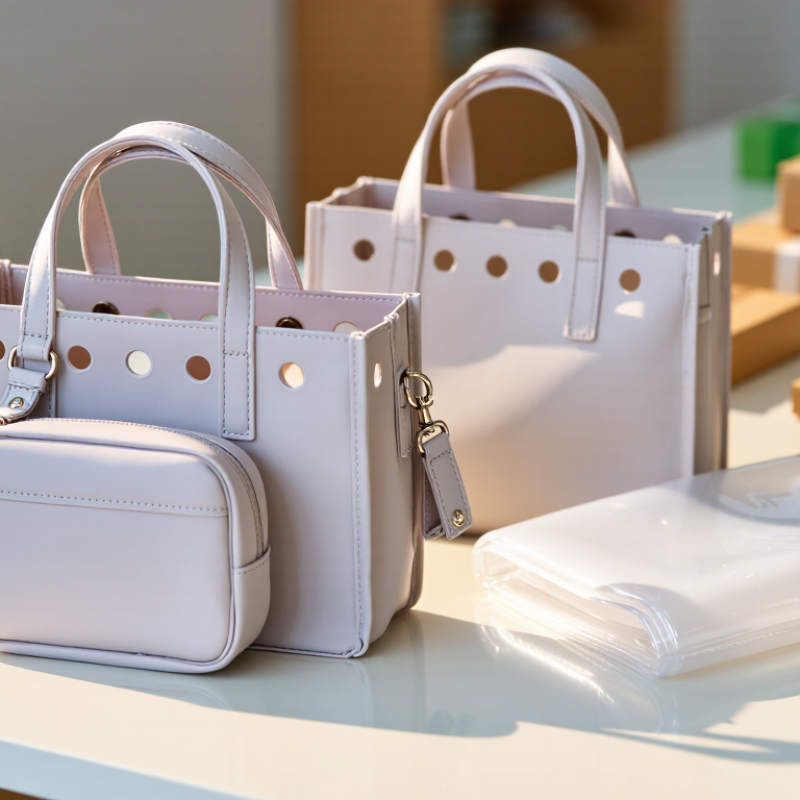
Authenticity in 2026 depends on several details, not one perfect clue. Examine the bag in natural light before trusting a listing or photograph. Genuine bags usually show clean molding, even edges, consistent texture, and firm handles. The surface should feel sturdy rather than unusually thin, sticky, or brittle. However, small variations can occur between production batches. That detail is easy to overlook.
Check the logo placement, lettering, color, and attached accessories against clear images from the maker’s official channels. Compare the bag’s measurements with the published specifications. A suspicious listing may use vague photos, copied descriptions, missing dimensions, or an unusually low price. Packaging can help, but it should not decide everything. I have seen authentic products with plain outer boxes, so judging the box alone can create a false alarm. A dated receipt from a reliable retailer offers stronger evidence, although receipts can also be incomplete.
Tips: Request close-up photos of the handles, base, logo, and interior. Ask when and where the item was purchased. Compare several photos, not just one. Avoid relying on a claimed serial number unless the manufacturer confirms that such numbers are used. If details still conflict, pause before buying. A careful second opinion is often more useful than confident guessing.
2026 Best Ways to Spot a Fake Bogg Bag? - What Makes a Bogg Bag Authentic in 2026?
| Inspection Dimension | What an Authentic Item Usually Shows | Common Counterfeit Warning Signs | Practical Verification Method | Assessment |
|---|---|---|---|---|
| Material and Surface | The molded EVA material should feel flexible, lightweight, and consistent across the body without a strong chemical odor. | Unusually hard or brittle plastic, uneven texture, excessive gloss, or a persistent solvent-like smell. | Press several areas of the body gently and compare the texture, flexibility, and odor with verified product photographs or an item from an authorized source. | Strong indicator |
| Molded Body Shape | The sides, base, and rounded corners should be symmetrical, stable, and cleanly formed. | Warped panels, uneven edges, a leaning base, inconsistent corner radii, or visible deformation around the handle openings. | Place the bag on a flat surface and inspect it from the front, back, and both sides. | Strong indicator |
| Handle Construction | Handles should be firmly attached, evenly aligned, and smooth where they connect to the bag body. | Loose handles, rough attachment points, visible gaps, sharp plastic edges, or handles that sit at noticeably different heights. | Lift the empty bag by both handles and check for movement, cracking, or uneven tension. | Strong indicator |
| Drainage Holes | Drainage openings should be cleanly molded, evenly spaced, and free from excess plastic. | Blocked holes, irregular spacing, ragged edges, incomplete openings, or holes that differ significantly from official product images. | Count and compare the visible hole layout with current official images for the same size and design. | Useful indicator |
| Accessories and Attachment Points | Included accessories should fit their attachment points properly, with smooth edges and secure connections. | Accessories that do not fit, mismatched colors, weak clips, rough molding, or attachments that detach with minimal pressure. | Check each included accessory separately and compare its shape, color, and fit with the listing photographs. | Useful indicator |
| Color Consistency | The color should be even across the molded surface, with no unexplained patches, streaks, or abrupt transitions. | Fading, paint-like overspray, different shades on matching parts, or a color that does not correspond to a documented release. | View the item in natural light and compare it with multiple official photographs rather than a single edited image. | Supporting indicator |
| Logo and Markings | Any molded, printed, or embossed markings should have sharp edges, consistent spacing, and correct placement for the specific model. | Misspelled text, incorrect font proportions, blurry printing, shallow embossing, crooked placement, or inconsistent spacing. | Use a close-up photograph and compare the lettering, position, and scale with current official product references. | High-risk warning |
| Stitching on Fabric Components | Where fabric accessories are included, stitching should be straight, tight, and free from long loose threads. | Skipped stitches, uneven seams, fraying, loose threads, weak hems, or fabric panels that are visibly off-center. | Inspect seams under bright light and gently pull the fabric near the stitching without applying excessive force. | Useful indicator |
| Packaging and Labels | Packaging should be professionally printed, accurately spelled, and consistent with the item, color, and size being sold. | Low-resolution graphics, inconsistent wording, generic packaging, missing product information, or labels that describe a different variant. | Compare the packaging details with current product documentation and check whether the label matches the actual item. | Supporting indicator |
| Seller and Purchase Documentation | A reliable seller should provide a clear receipt, consistent product photographs, and a verifiable return policy. | Unusually low pricing, stock photographs only, pressure to pay outside the platform, no returns, or inconsistent seller information. | Review seller history, transaction records, return terms, and the consistency of all listing details before purchasing. | High-risk warning |
| Model and Size Consistency | The bag’s proportions, accessories, and stated measurements should match the same documented size and design version. | Measurements that conflict with the photos, accessories from another model, or a combination of features that was never documented together. | Measure the length, width, and height with a ruler or tape measure and compare them with current product specifications. | Strong supporting indicator |
| Overall Quality Control | An authentic item should show consistent finishing across the body, handles, holes, accessories, and packaging. | Several minor defects appearing together, such as rough edges, poor alignment, weak attachments, and inaccurate markings. | Use at least three inspection categories instead of relying on color, packaging, or price alone. | Best combined test |
