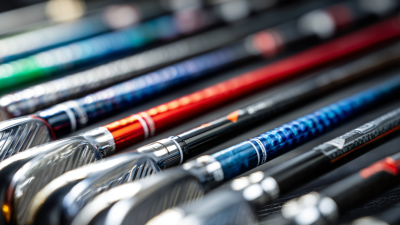
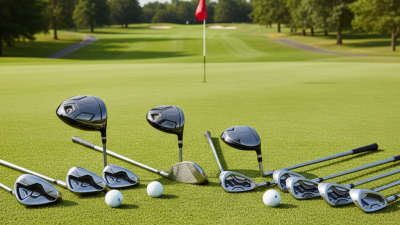
When it comes to choosing the best golf shafts, every player faces unique challenges. As renowned golf equipment expert Tom Wishon states, “The right golf shaft can fundamentally change a golfer’s game.” The importance of selecting the appropriate shaft cannot be overstated. It can impact distance, accuracy, and overall performance on the course.
The golf shafts market is filled with options. Materials, flex, and weight vary significantly. Players must consider their swing speed, style, and physical build when selecting. Factors such as these often lead to confusion. Yet, making an informed decision can lead to improved play. Many golfers overlook this essential detail, assuming that the club head is the most crucial part.
Players should approach their choice of golf shafts with thoughtful consideration. Testing different options is key. Consulting professionals and conducting thorough research can equip players with knowledge. Understanding how various shafts respond to different swings can enhance the overall golfing experience. In this journey, reflection on one’s game is just as important as the equipment itself.
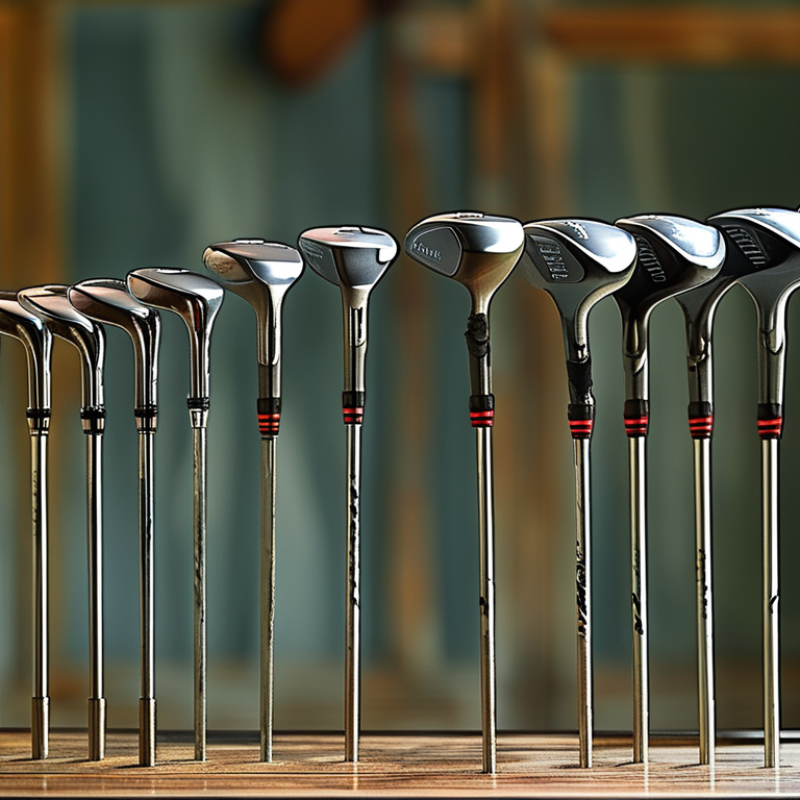
Understanding golf shafts is essential for players of all skill levels. The shaft affects the club's performance significantly. A well-suited shaft can enhance distance, precision, and overall control. Different materials—such as steel or graphite—offer various benefits. Steel shafts typically provide more stability and control. In contrast, graphite shafts are lighter, which can lead to increased swing speed.
Choosing the right shaft demands careful consideration. Flexibility plays a crucial role in performance. If a shaft is too stiff, it may hinder your swing. Alternatively, a shaft that is too flexible can lead to a loss of accuracy. Players should assess their swing speed and style before making a choice. Getting fitted by a professional can help in identifying the best options available.
While understanding shafts is vital, mistakes can happen. Some golfers prioritize aesthetics over function, leading to poor performance. Others may ignore their swing characteristics, resulting in frustration. Recognizing these pitfalls is essential. By reflecting on personal experiences and preferences, golfers can make more informed decisions about their equipment selection. The right golf shaft can transform your game, ensuring you play at your best.
Choosing the right golf shaft is crucial to improving performance on the course. Several key factors can influence your choice. First, consider the flex of the shaft. It must match your swing speed. Data suggests that amateur players with slower swing speeds benefit from more flexible shafts. A stiff shaft may hinder their performance.
Weight is another significant factor. Lighter shafts can enhance swing speed, but too light may reduce control. A report by the USGA found that players who use shafts weighing between 60g and 70g often achieve better accuracy. It's essential to find a balance that works for you.
Tip: Test different shafts at a local fitting center. This practice allows you to analyze how each shaft impacts your distance and accuracy.
The material of the shaft also matters. Graphite is lightweight and offers flexibility, while steel provides durability and control. Research shows that about 80% of golfers prefer graphite shafts for their drivers. However, many skilled players opt for steel in their irons. Understanding your playing style is vital.
Tip: Keep track of your shots and their trajectories. Analyze this data to determine whether you're maximizing your shaft's potential. Adjusting for shaft length can also lead to notable improvements.
When choosing a golf shaft, understanding the types available is crucial. Golf shafts primarily come in three materials: steel, graphite, and hybrid. Steel shafts provide stability and control, often preferred by experienced players. They offer less vibration and good feedback on ball contact. However, their weight can be a disadvantage for players seeking lighter options.
Graphite shafts are lighter and help increase swing speed. They absorb vibrations well, providing a softer feel. This feature benefits players with slower swing speeds, as it generates more distance. However, players must be cautious. Some lightweight options can sacrifice accuracy.
Hybrid shafts combine features of both steel and graphite. They aim to optimize performance by offering stability and reduced weight. These shafts cater to players looking for versatility. However, finding the right balance between weight and stiffness can be challenging. Custom fitting helps maximize performance but might come with trial and error. Each player should reflect on their swing characteristics, while considering the shaft's design and how it matches their playing style.
| Shaft Type | Material | Flex Options | Weight Range | Unique Benefits |
|---|---|---|---|---|
| Steel Shafts | Steel | S, R, X | 90g - 130g | Durability and control |
| Graphite Shafts | Graphite | A, R, S, X | 50g - 90g | Lightweight and vibration dampening |
| Hybrid Shafts | Composite | R, S | 70g - 100g | Combines benefits of steel and graphite |
| Flex Shaft | Variations | L, A, R, S, X | 60g - 120g | Customizable for player’s swing |
Choosing the right golf shaft is crucial for optimizing performance. Each player's skill level and swing style significantly affect what shaft will work best. Research indicates that beginner players often benefit from more flexible shafts. These shafts provide increased distance and improved accuracy. A study found that over 70% of novice golfers experienced better ball flight with a softer flex.
On the other hand, advanced players usually need stiffer shafts. They often generate more clubhead speed. According to industry data, about 60% of low handicappers prefer a shaft that complements their higher swing speeds. Selecting the correct weight and material can also influence a player's control and feel. Graphite and steel shafts cater to different preferences — graphite being lighter for higher swings, and steel offering better feedback for precision shots.
A common mistake is ignoring how swing style impacts shaft selection. Players with a descending blow may require a different shaft than those who sweep the ball. Paying attention to these details can help improve consistency. Focus on finding a balance between flex, weight, and overall build. Trial and error in choosing shafts can lead to unexpected results. Always seek guidance from professionals.
Selecting the right golf shaft is crucial for optimizing performance. Many players overlook this aspect of their equipment. A well-fitted shaft affects distance, accuracy, and player comfort. According to a study by the Golf Laboratories, the right shaft can increase driving distance by over 10 yards for some golfers. This emphasizes the importance of testing different options tailored to individual swing characteristics.
To identify the best golf shaft, players should start with a fitting session. This process involves testing various shaft flexes, weights, and materials. Understanding swing speed is essential; for instance, players with swing speeds exceeding 105 mph often benefit from stiffer shafts. A recent report published in the Journal of Sports Engineering highlighted that nearly 70% of golfers are mismatched with their shafts. This mismatch can lead to subpar performance and frustration on the course.
Players should also consider launch angles and spin rates. A fitting expert can analyze these aspects during a session. Collecting data through launch monitors provides insights into the perfect shaft for your game. Be open to experimenting with different combinations. It might reveal unexpected results. A shift in shaft type can enhance not only your game but also your enjoyment on the course.