7 Best Kids Golf Clubs for Every Age and Skill Level
Choosing among the 7 Best Kids Golf Clubs for Every Age and Skill Level starts with one practical question: does the set fit the child today? Dan Van Horn, founder of U.S. Kids Golf, has said, “Kids need clubs that fit them now, not clubs they can grow into.” That principle matters on the course. A club that is too long can force a child to bend awkwardly, grip down, or swing with little control. A lighter club often helps create a smoother motion. Better contact can make practice feel rewarding instead of frustrating.
Age provides a useful starting point, but it should not decide everything. A confident seven-year-old may need different equipment from a taller beginner of the same age. Height, wrist-to-floor measurement, strength, coordination, and playing frequency all deserve attention. The right kids golf clubs should feel manageable in small hands, with comfortable grips and shafts that do not feel heavy. They should also support the child’s current skill level, not promise unrealistic distance.
Small details matter. Can the child lift the driver without wobbling? Does the iron make a clean sound on the range? Can the bag be carried across nine holes? These observations often reveal more than a product label. I have also learned that fitting alone cannot create enthusiasm. A perfect set may still sit untouched. The strongest choice balances safety, comfort, forgiveness, durability, and genuine enjoyment. This guide compares each option carefully, while acknowledging that children grow quickly and preferences can change.
Understanding Kids’ Golf Clubs by Age, Size, and Skill Level
Choosing kids’ golf clubs by age alone can lead to poor fit. Height, arm length, strength, and coordination matter more. A six-year-old and an eight-year-old may need similar equipment. Age ranges are useful, but imperfect.
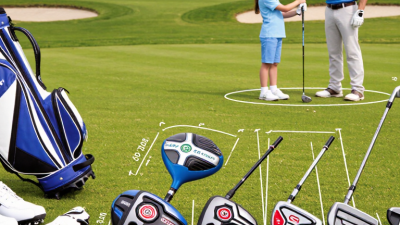
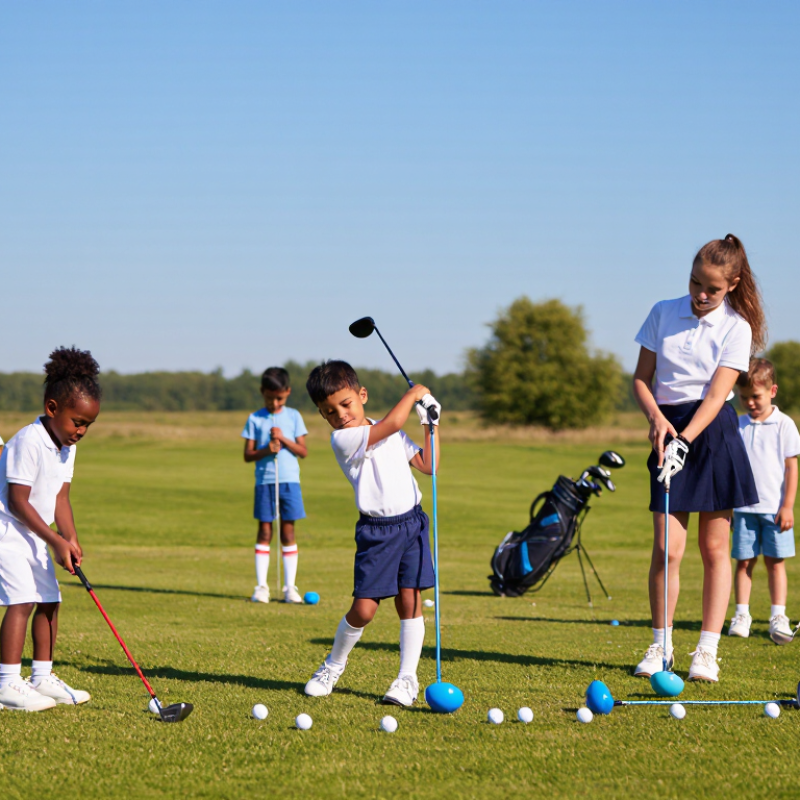
For younger beginners, lightweight clubs with shorter shafts help develop control. The grip should sit comfortably in small hands, without forcing the child to squeeze. As children grow, longer clubs may improve posture and swing distance. However, extra length can create frustration. Watch the swing: if the child stands too upright, struggles to make contact, or repeatedly loses balance, the clubs may be too long or heavy. A basic fitting should include height, wrist-to-floor measurement, and a few natural swings. Skill level matters, too. Beginners often benefit from forgiving clubheads and simple set choices. More experienced juniors may handle stronger lofts and longer irons.
Tips: Let the child hit several shots before buying. Notice whether the club feels manageable, not merely powerful. Recheck the fit every six to twelve months during rapid growth. Used clubs can work well, but worn grips may reduce control. I have found that parents sometimes choose clubs for future growth, yet this can slow learning today. A slightly shorter, lighter club may build better habits, even if it needs replacement sooner.
Key Features to Compare Before Choosing a Junior Golf Club
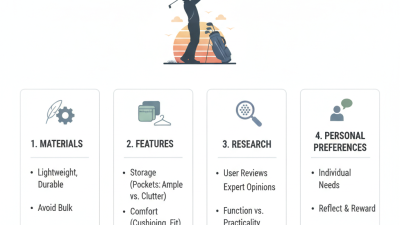
Choosing among the 7 best kids golf clubs starts with fit, not appearance.
The National Golf Foundation reported about 3.4 million junior golfers in the United States in 2023. That broad group includes beginners, competitive players, and children still developing coordination. A club that feels perfect for a ten-year-old may frustrate a smaller child.
Compare club length first.
The grip should rest naturally in the fingers, without forcing the child to bend sharply. A shaft that is too long often causes poor posture and inconsistent contact.
Weight matters just as much.
Junior golfers need enough mass to feel the clubhead, but not so much that the swing slows down. I have seen children improve quickly after changing to lighter clubs. Still, age charts can mislead.
Check shaft flexibility, grip thickness, loft, and set composition.
Flexible shafts can help slower swings launch the ball higher, while higher-lofted clubs make short shots less intimidating. Wider soles may glide across grass instead of digging into it. The R&A’s Golf Around the World 2023 report recorded 66.6 million golfers across 206 countries, showing how varied playing environments can be. A child playing on firm ground may need different sole performance from one practicing on soft turf.
Safety and durability deserve attention too.
Rounded edges, secure grips, and properly fitted lengths reduce avoidable strain. Do not buy a full adult-style set too early. More clubs can create confusion.
A simple set often supports better learning. My imperfect rule is practical: let the child swing several clubs before deciding, even if the measurement chart looks convincing.
Best Golf Club Types for Young Beginners
Young beginners need forgiving clubs, not a complete adult-style set. In my coaching experience, a lightweight putter, short iron, and easy-to-hit hybrid create a practical starting group. These clubs support putting, basic chipping, and longer shots without overwhelming small hands. Keep it simple.
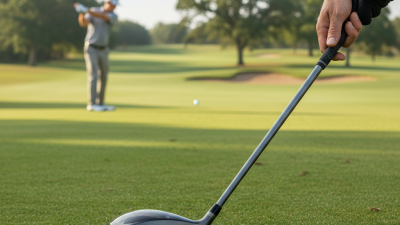
For children around four to six, plastic or soft-faced practice clubs can build safe movement patterns. A short putter helps them learn distance control on a small carpet or putting green. Children aged six to nine often manage a lightweight seven-iron and a hybrid with a flexible shaft. The club should rest comfortably near the ground without forcing a bent posture. That detail matters. A poor fit can turn every swing into a struggle.
Older beginners may use a driver, wedge, mid-iron, and putter, especially when they practice regularly. Choose broad clubheads and generous hitting areas, because off-center contact is normal at this stage. Shaft length matters more than appearance. A child should grip the club naturally, with relaxed arms and balanced feet. A qualified instructor can check this in minutes, although home measurements are not always precise. I once assumed a child needed longer clubs because of height, but the shorter option produced better contact and more confidence. Progress is rarely perfectly linear. Let the child test several club types, notice where control improves, and adjust as strength and coordination develop.
Recommended Club Options for Developing Junior Players
Choosing junior clubs should begin with the child, not the club count.
The National Golf Foundation reported that more than 3 million children aged 6–17 played on a course in the United States in 2023. That participation deserves equipment that feels manageable. A six-year-old usually needs lighter clubs, shorter shafts, and flexible construction. A teenager may need longer clubs and more stable heads. Age is only a starting point.
Measure height, wrist-to-floor distance, and swing comfort before buying. During coaching sessions, I watch whether a child can finish a swing without lifting the shoulders. If the club repeatedly strikes the ground behind the ball, it may be too long or heavy. Grip size matters too. Small hands should not squeeze a thick grip. Fit matters.
The R&A’s Global Golf Participation Report shows strong worldwide interest in junior participation and beginner pathways. That growth makes adaptable sets useful, especially for children who improve quickly. A developing player may need a driver, fairway club, hybrid, iron, wedge, and putter, but seven clubs are not always necessary. A smaller set can improve focus and reduce fatigue. Choose clubs with visible loft, comfortable grips, and consistent spacing between distances. Avoid buying purely for future growth. That decision can create awkward swings now. I have also seen children outgrow clubs sooner than expected, so adjustable options can help, although they may add weight and complexity.
How to Fit, Use, and Maintain Kids’ Golf Clubs
Fitting children’s golf clubs starts with height, arm length, and strength, not age alone. A seven-year-old may need different clubs from another child the same age. Have the child stand naturally with relaxed shoulders. The grip should rest comfortably in the fingers, not deep inside the palm. If the club feels heavy, the swing will become slow and forced. For beginners, shorter clubs often improve balance and contact. Shaft flex matters too. A qualified fitter can check length, lie angle, and swing comfort. I once chose clubs by age alone. That shortcut made practice tiring. It was a useful mistake.
During practice, children should use one club at a time and focus on controlled swings. Start with soft shots before attempting full swings. Keep clear space around the player, including behind and beside the body. After each session, wipe dirt from the clubface and grooves with a damp towel. Dry the clubs before placing them in the bag. Check grips regularly for cracks, slipping, or hardened rubber. Replace damaged grips or shafts promptly. Store the set indoors, away from car heat and constant moisture. A monthly inspection is sensible, though I sometimes forget it during busy weeks. Children also outgrow clubs quickly, so reassess their posture every few months. Their hands should not reach awkwardly toward the ground.
7 Best Kids Golf Clubs for Every Age and Skill Level
Approximate 7-iron fitting guide based on a child’s height. Measure from the floor to the top of the club grip, then choose a club that allows a relaxed posture and comfortable swing.
How to use this guide: Club length should be matched primarily to height rather than age. A child should be able to address the ball without crouching excessively or reaching for it. Check grip size regularly, keep clubheads clean and dry, and replace clubs when growth causes poor posture or loss of control.