
10 Best Vintage Military Boots for Global Buyers
Choosing the right Vintage Military Boots requires more than admiring aged leather and recognizable designs. Global buyers need practical evidence, not dramatic claims. This guide examines ten notable options through comfort, construction, authenticity, availability, and everyday usability. Each pair is considered for civilian wear, collecting, travel, and outdoor styling.
Real experience matters here. A boot may look impressive in photographs yet feel stiff after one hour. Scratched leather, compressed insoles, weak stitching, and hardened rubber can change its value completely. I will discuss these details clearly, including common flaws that sellers sometimes overlook. Sizing also deserves attention. Vintage measurements can differ from modern standards, especially across American, British, European, and Japanese systems.
Condition is never perfectly predictable. That is important. Age, storage, previous repairs, and regional climate affect every pair differently. Buyers should request outsole photographs, interior measurements, material details, and clear information about repairs. Customs rules and import requirements also vary by destination, so lawful purchasing and accurate product descriptions remain essential. This selection does not promote restricted equipment or unauthorized military use. It focuses on legally available footwear and responsible ownership.
Some choices offer excellent durability. Others provide stronger historical character but less comfort. There is no universal winner. Personal fit, climate, budget, and intended use will shape the final decision. A careful buyer should compare evidence before trusting nostalgia. That extra step often prevents disappointment.
What Makes a Military Boot Vintage?
10 Best Vintage Military Boots for Global Buyers
What Makes a Military Boot Vintage?
A vintage military boot is more than an old-looking shoe. It usually comes from a specific service period, with identifiable patterns, materials, and construction methods. The date matters. So does provenance.
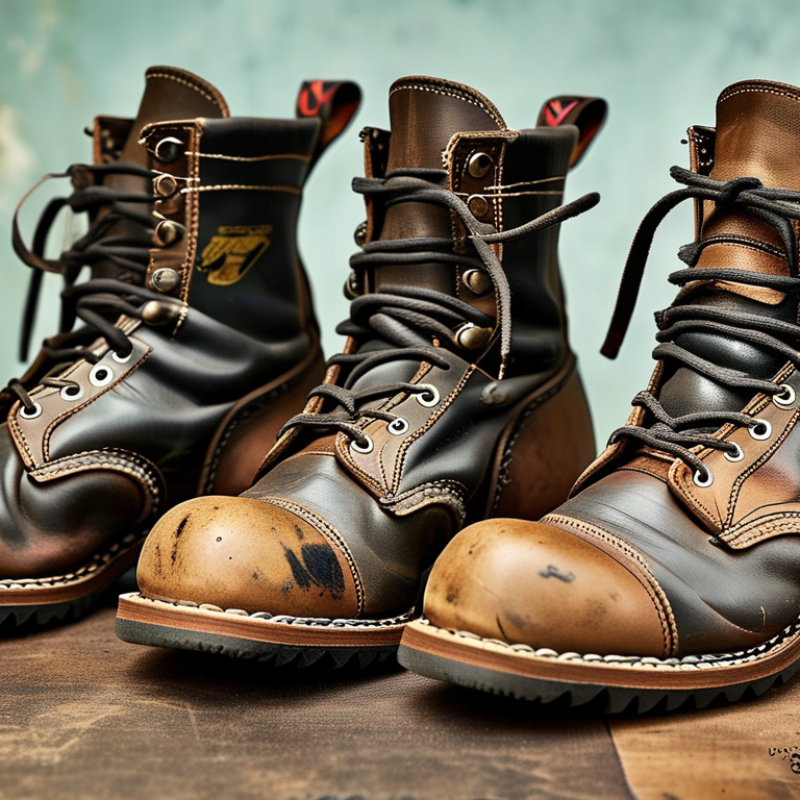
Collectors often examine stitching, sole composition, eyelets, lining, and internal markings. Full-grain leather may show uneven creases, darkened edges, and a dry surface. That wear can feel authentic, but excessive cracking reduces usability. Patina is not proof.
The Global Military Footwear Market report by Grand View Research estimates continued market growth through 2030, driven by durability and protective performance. However, modern tactical footwear can imitate vintage shapes without sharing historical construction. This distinction matters for global buyers comparing original pairs with reproduction models. A rubber sole, for example, may look aged but still use contemporary compounds.
A practical inspection should check heel stability, sole separation, odor, leather flexibility, and previous repairs. Measure both feet, because older lasts can fit differently. Records from auction houses and military-collectibles surveys also show that condition and documented origin strongly influence buyer confidence. Yet the label remains imperfect. Some sellers call any brown combat boot “vintage.” That is careless.
For international purchases, confirm sizing systems, materials, shipping restrictions, and return terms. A boot can be historically genuine but uncomfortable, brittle, or unsuitable for daily walking. Authenticity deserves respect. So does your foot.
10 Best Vintage Military Boots for Global Buyers - What Makes a Military Boot Vintage?
A practical comparison of historically issued military boot types, selected for recognizable construction, long-term collectability, and usefulness to international buyers.
| No. | Vintage Military Boot Type | Typical Issue Period | Historical Region | Upper and Construction | Typical Sole Features | Best Climate or Terrain | Fit and Buying Considerations | What Makes It Vintage? | Global Buyer Notes |
|---|---|---|---|---|---|---|---|---|---|
| 1 | M-1943 Combat Boot | 1943–1945 | North America | Full-grain brown leather with a taller ankle profile and a simple lace-up military pattern. | Heavy leather or early rubber composition sole, usually with a broad heel and basic traction. | Temperate climates, field use, light mud, and general outdoor wear. | Often narrow in the toe compared with modern work boots. Check original insole length and leather shrinkage. | Age, original construction, period stitching, oxidized metal eyelets, and natural leather patina. | Inspect for dry rot, separated soles, brittle stitching, and replacement heels before purchasing. |
| 2 | World War II Service Shoe | 1940–1945 | North America | Low- to medium-ankle leather service shoe with reinforced toe and heel areas. | Flat or moderately lugged sole, commonly showing substantial wear after decades of storage. | Dry temperate conditions, historical display, and casual heritage styling. | Usually offers less ankle support than a combat boot. Original sizing may not match modern size charts. | Original wartime leather, period eyelets, visible hand-finishing, and a naturally aged surface. | Best for collectors and occasional wear rather than wet-weather hiking or daily heavy use. |
| 3 | British 1939 Pattern Service Boot | 1939–1945 | Western Europe | Robust dark leather upper with a traditional service-boot shape and reinforced ankle construction. | Leather, rubber, or composite military sole depending on production date and replacement history. | Cool, wet, and temperate environments when the leather is properly conditioned. | Strong heel structure but often a firm break-in period. Measure foot length and ball width carefully. | Period-specific stitching, aging of the leather, original hardware, and evidence of wartime manufacture. | Waterproofing should be renewed carefully; excessive oil can soften old leather and damage its shape. |
| 4 | Jungle Boot | 1960s–1970s | Southeast Asia and Pacific Operations | Combination upper using leather around the toe and heel with breathable canvas or woven fabric panels. | Distinctive deep-lug tropical tread, often paired with drainage openings to help release water. | Hot, humid, rainy, and mixed jungle terrain. | Fabric can weaken from ultraviolet exposure and moisture. Avoid pairs with mildew, cracking, or torn eyelet panels. | Original canvas weave, tropical drainage details, period hardware, and aged but intact rubber components. | Examine for hidden corrosion and odor. Vintage examples may require replacement insoles for hygienic use. |
| 5 | Cold-Weather Mukluk | 1940s–1980s | Arctic and Northern Regions | Insulated fabric, felt, leather, or rubber construction designed to retain warmth in sub-freezing conditions. | Flexible insulating sole with limited hard-surface traction compared with standard combat boots. | Snow, ice, frozen ground, and extremely cold climates. | Internal insulation compresses with age. Allow extra room for thick socks and check the condition of liners. | Original insulation system, period labels inside the boot, aged rubber, and authentic cold-weather hardware. | Storage condition is critical. Do not buy pairs with hardened rubber, water damage, or deteriorated felt. |
| 6 | French Postwar Combat Boot | 1950s–1970s | Western Europe | Dark or natural leather upper, frequently with a plain military profile and reinforced ankle panels. | Thick rubber outsole or rugged replacement sole, depending on service history. | Temperate countryside, forest paths, and general field conditions. | Traditional lasts can feel roomy in the heel but firm across the instep. Compare internal measurements. | Period leather texture, military stitching patterns, aged eyelets, and an original unmodified silhouette. | Confirm whether the sole is original. A professional resole can improve wearability but may reduce collector value. |
| 7 | Alpine Leather Combat Boot | 1950s–1980s | Central and Southern Europe | Thick full-grain leather, high ankle support, and strong lacing designed for mountain service. | Deep lug pattern with a firm heel suitable for uneven ground and rocky trails. | Mountains, cool forests, wet trails, and moderate snow. | Heavier than ordinary service shoes. Break-in can be lengthy, especially when the leather is untreated. | Heavy leather thickness, early lug geometry, original metal hardware, and naturally darkened creases. | Check the welt, heel counter, and flex point. Old mountain boots may look sound while hiding sole separation. |
| 8 | Paratrooper Jump Boot | 1940s–1980s | Europe and North America | Tall polished or roughout leather upper with reinforced ankle support and a structured toe. | Firm rubber sole, often with a defined heel for controlled landings and marching. | Temperate climates, parade use, collecting, and urban heritage wear. | Tall shafts may rub during break-in. Measure calf opening as well as foot length and width. | High shaft, military-grade leather, reinforced ankle construction, period eyelets, and authentic wear marks. | Decorative modifications are common. For authenticity, look for consistent aging rather than artificially distressed leather. |
| 9 | Cold War Black Combat Boot | 1970s–1990s | Europe and North America | Smooth black leather with a padded or structured ankle and a straightforward eight- to ten-eyelet design. | Molded rubber outsole with moderate lugs for paved surfaces, soil, and regular marching. | Cool or temperate climates and everyday outdoor use. | Generally easier to wear than earlier wartime boots, but old leather may have lost flexibility. | Production age of at least several decades, original military pattern, aged hardware, and non-modernized details. | A practical entry point for new collectors, provided the rubber remains flexible and free of deep cracking. |
| 10 | Early Desert Combat Boot | 1990s–early 2000s | Arid and Middle Eastern Operations | Tan leather and breathable fabric or synthetic panels, designed to reduce heat and improve airflow. | Lightweight rubber or polyurethane outsole with a multi-directional lug pattern. | Hot, dry desert terrain and warm-weather outdoor activities. | Synthetic panels may age faster than leather. Check foam midsoles for crumbling or compression. | It qualifies as vintage when it is several decades old and retains an early-issue pattern, materials, and hardware. | Often more wearable than wartime boots, but international buyers should verify material restrictions and import rules. |
