How to Choose the Best Junior Golf Clubs for Young Golfers
Choosing the right equipment is crucial for young golfers to develop their skills and enjoy the game. With the increasing popularity of golf among children and teenagers, the demand for high-quality junior golf clubs has surged. According to the National Golf Foundation, over 2.5 million youths participated in golf activities in the United States in 2021, highlighting the sport's growing appeal among younger generations. This trend underscores the importance of selecting appropriate clubs that cater specifically to the needs of junior players.

When it comes to junior golf clubs, factors such as size, weight, and flexibility are essential. Research shows that using clubs that are too heavy or too long can lead to improper swing mechanics and hinder a child's progress. A study conducted by the U.S. Golf Manufacturers Association emphasizes that clubs designed with junior golfers in mind can enhance their performance and foster a lifelong passion for the sport. By investing in the right junior golf clubs, parents can create a foundation for their young athletes to thrive, making the game both enjoyable and beneficial for their development.
Understanding the Importance of Selecting the Right Junior Golf Clubs
Selecting the right junior golf clubs is crucial for young golfers, as it not only affects their performance on the course but also influences their overall enjoyment of the game. Junior golf clubs are specifically designed to cater to the unique physical characteristics of younger players, including lighter weight, shorter shaft lengths, and larger clubheads. These features help ensure that young golfers can swing with confidence and accuracy, fostering a positive learning experience.
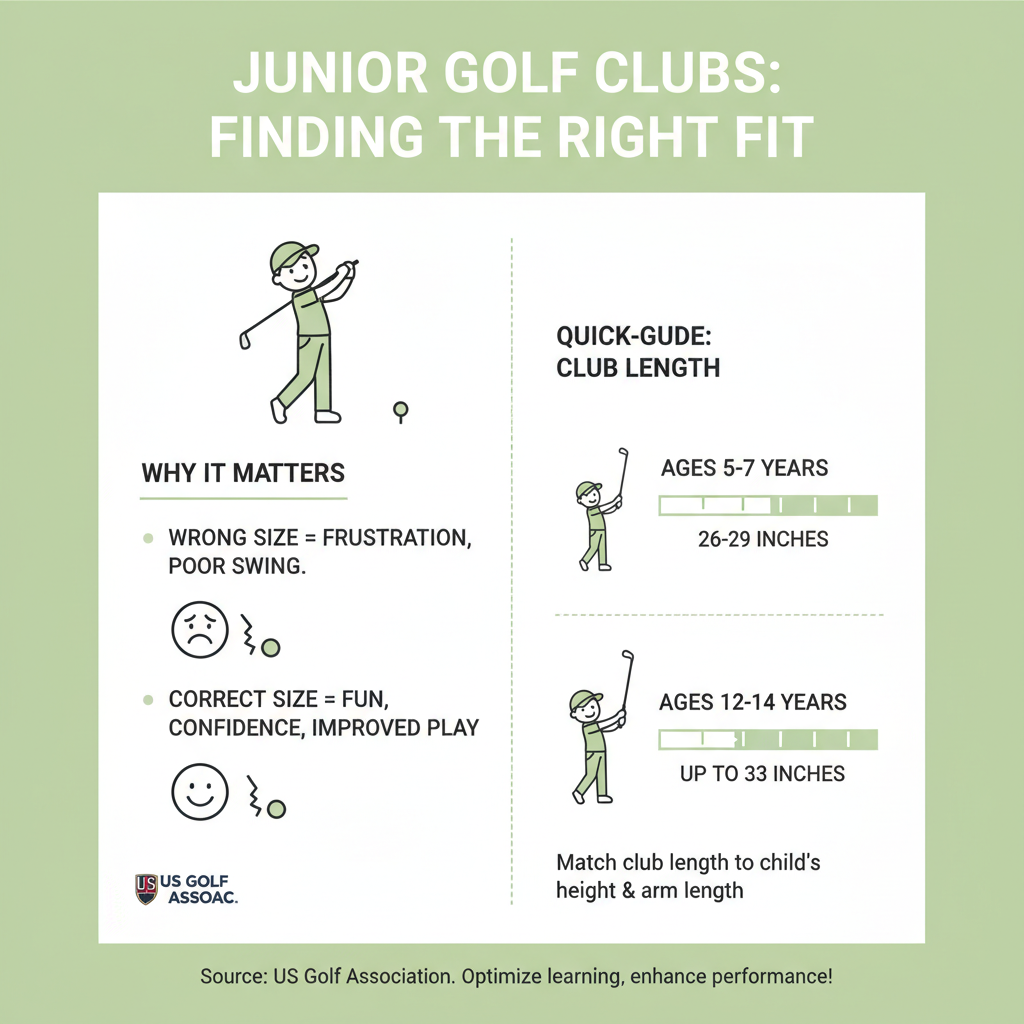
Moreover, using appropriately fitted clubs can significantly enhance a child's skill development. Clubs that are too heavy or long can hinder a young golfer’s swing mechanics, leading to frustration and ultimately discouragement. By investing in the right junior golf clubs, parents and guardians can provide their young athletes with the proper tools needed to build their skills and love for the sport.
As players develop, having the right equipment becomes essential for nurturing a lifelong passion for golf.
Evaluating Club Length and Weight for Young Golfers
When choosing junior golf clubs for young golfers, evaluating club length and weight is crucial for fostering a positive learning experience and enhancing performance. According to the U.S. Golf Association, clubs that are too long or heavy can hinder a child's swing mechanics, leading to frustration and a lack of confidence on the course. The ideal club length should correspond to a child’s height and arm length, which can typically range from 26 to 29 inches for children aged 5 to 7 years and up to 33 inches for older juniors aged 12 to 14 years.
Weight is another essential factor, as clubs that are excessively heavy can impact a young golfer's swing speed and overall enjoyment of the game. A report from the National Golf Foundation indicates that lighter clubs, approximately 10-15% less than standard adult clubs, allow young players to develop correct swing habits without overwhelming them physically. This data reinforces the importance of selecting appropriately weighted clubs that allow juniors to generate their own clubhead speed, fostering a sense of achievement and encouraging continued participation in the sport.
Choosing the Right Club Types: Drivers, Irons, and Putters
When selecting junior golf clubs, understanding the different types of clubs—drivers, irons, and putters—is essential for fostering a young golfer’s development. According to a report by the National Golf Foundation, nearly 60% of new golfers are under the age of 40, indicating a growing interest in the sport among youth. Drivers are crucial for beginners as they allow young players to experience the excitement of hitting the ball a longer distance. Most junior drivers are lighter and have larger heads, promoting better accuracy and consistency. A well-fitted driver can enhance a child's confidence and interest in the game.
Irons serve a vital role for junior golfers, as they help refine skills needed for approach shots and chipping. Data from the American Junior Golf Association shows that young players often improve their scores significantly with the right iron sets, as these clubs assist in developing precision and control. Junior irons typically feature shorter shafts and lighter weights, making them easier to handle and perfect for encouraging proper swing mechanics. Additionally, putters, which are often overlooked, are critical for teaching young golfers the fundamentals of putting, accounting for nearly 43% of strokes on average in a typical round. A junior putter designed for smaller hands can make practice sessions more enjoyable and productive.
Material Considerations: Graphite vs. Steel in Junior Clubs
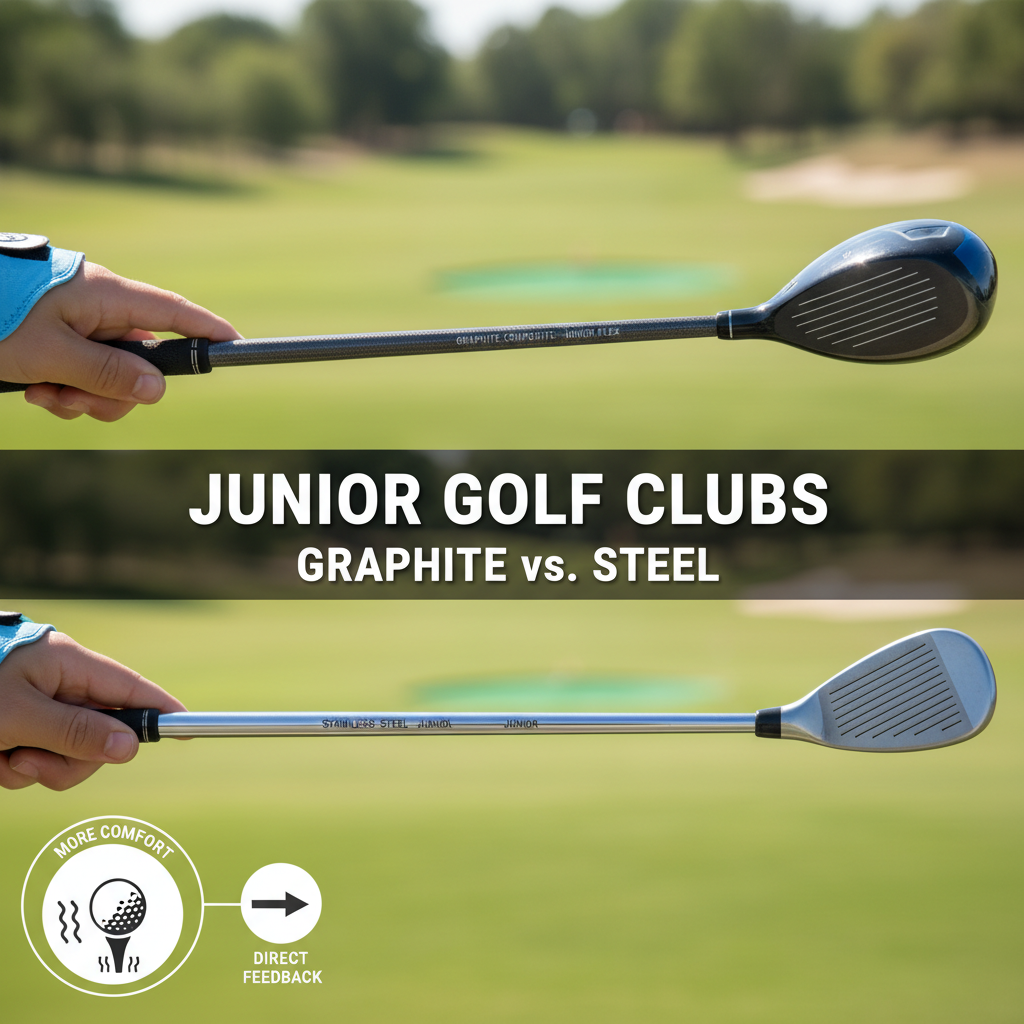
When selecting junior golf clubs, one of the key material considerations is the choice between graphite and steel. Graphite shafts are often favored for younger players due to their lightweight nature. This reduced weight allows children to swing their clubs more comfortably and with greater control, making it easier for them to develop a proper swing technique. Moreover, graphite shafts can absorb more shock, which can help minimize the feedback felt in the hands, making the game more enjoyable for young golfers.
On the other hand, steel shafts provide a sense of durability and stability. They are typically heavier than graphite, which can benefit players who have developed a stronger swing and are looking for better control and accuracy. For more experienced young golfers, steel shafts can offer a preferable balance and increased feedback, allowing them to feel the nuances of their shots. Ultimately, the decision between graphite and steel should be based on the player's age, skill level, and strength, ensuring that the clubs suit their individual needs and promote their growth in the sport.
Setting a Budget: Affordable Options for Junior Golf Equipment
When selecting junior golf clubs, setting a budget is crucial. According to a report by the National Golf Foundation, nearly 60% of families spend between $200 and $500 on youth golf equipment each year. This range allows you to find quality clubs that won’t break the bank while ensuring your young golfer has the tools needed to improve their game. Affordable options often include brands like US Kids Golf and Clicgear, which provide excellent entry-level equipment designed specifically for young players.
Tips for Budgeting:
- Prioritize Quality over Brand: While it may be tempting to choose well-known brands, focus on the quality of the clubs. Look for equipment that meets the needs of your child's height and swing speed.
- Consider Used Clubs: Many local golf shops and online marketplaces offer used clubs in excellent condition. This can significantly lower costs while still providing access to top-quality equipment.
- Invest in Essentials: When budgeting, prioritize essential clubs such as a driver, a putter, and a couple of irons. This approach not only saves money but also ensures your junior golfer can start practicing effectively without overwhelming them with too many options.