2026 How to Choose the Best Golf Gear for Your Game?
Choosing the right golf gear can significantly impact your game. With so many options available, making a decision may feel overwhelming. Each piece of equipment plays a crucial role in your performance on the course. You want to ensure that your golf gear enhances your strengths and helps mitigate weaknesses.
Understanding your skill level is essential. Beginners might prioritize affordability over advanced technology. Meanwhile, more experienced players might seek gear that offers precision and customization. It’s important to reflect on how different clubs, balls, and accessories affect your game. Testing various options can reveal unexpected preferences.
Investing time in research pays off. Read reviews, ask fellow golfers for recommendations, and consider expert advice. Remember, quality does not always mean high price. Sometimes, overlooked brands offer reliable products that suit your style. Ensure your choices align with your playing goals, and don’t hesitate to reassess your golf gear as your skills evolve. Your game will thank you.
Understanding Your Golfing Needs and Skill Level
Understanding your golfing needs and skill level is crucial when selecting gear. According to a report by the National Golf Foundation, around 26 million Americans play golf, with varying expertise. Knowing your level helps in choosing equipment that can enhance your performance.
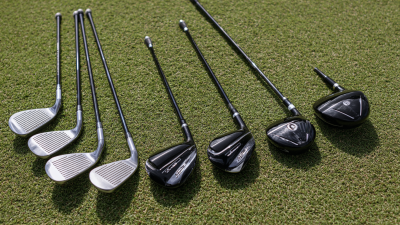
Beginners may require more forgiving clubs that provide better distance and accuracy. In contrast, advanced players often prefer clubs that offer control and precision. Golfers should also consider their playing style. For example, those who prioritize distance may benefit from lightweight drivers, while strategic players may opt for an array of wedges.
Tips: Focus on club fitting. A club that fits well can improve your swing. Visit a local pro shop for professional advice. They can guide you based on your height and swing speed.
Reflect on your practice habits. Frequent golfers may invest in
premium gear for better reliability. However, casual players should assess their frequency on the course. Spending too much on high-end gear may not be justified. Focus instead on essential items that suit your current skill set.
Determining the Essential Golf Equipment for Your Game
Choosing the right golf equipment is crucial for every player. It can significantly impact your performance and enjoyment on the course. Not all gear is created equal, so understanding what you need is key. Focus on essential items first, such as clubs, balls, and shoes. Each piece should complement your skill level and style.
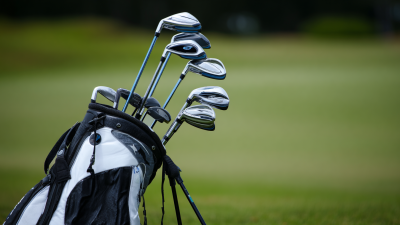
When selecting clubs, consider your swing speed and skill. A beginner may benefit from forgiving clubs that offer more stability. Intermediate players might seek a balance between power and control. Don’t forget about the grip. It should feel comfortable and secure. The right grip affects your swing and overall game.
Golf balls also matter. They come in various types, each serving a unique purpose. Softer balls often provide more control and feel. Harder balls may offer distance but less spin. Testing different types can reveal what works best for you.
Don’t rush into purchasing the latest gear. Reflect on your game and what you struggle with. It’s possible your equipment is holding you back. Consulting with a knowledgeable professional can provide valuable insights. Ultimately, each player's journey is unique. Enjoy the process of discovering what enhances your game.
2026 How to Choose the Best Golf Gear for Your Game? - Determining the Essential Golf Equipment for Your Game
| Equipment Type |
Key Features |
Recommended Specs |
Price Range |
| Drivers |
Adjustable loft, lightweight materials, optimized aerodynamics |
9-12° loft, 45-46 inches length |
$200 - $600 |
| Irons |
Cavity back design, stainless steel construction, progressive offset |
Standard 5-PW set |
$300 - $1,200 |
| Wedges |
Varied lofts, high spin grooves, versatile sole grind |
52°, 56°, 60° loft |
$100 - $250 each |
| Putters |
Different head shapes, alignment aids, varying weights |
34-35 inches length |
$150 - $500 |
| Golf Balls |
Low spin, high control, soft feel |
3-piece or 4-piece construction |
$25 - $50 per dozen |
Evaluating Different Brands and Technologies in Golf Gear
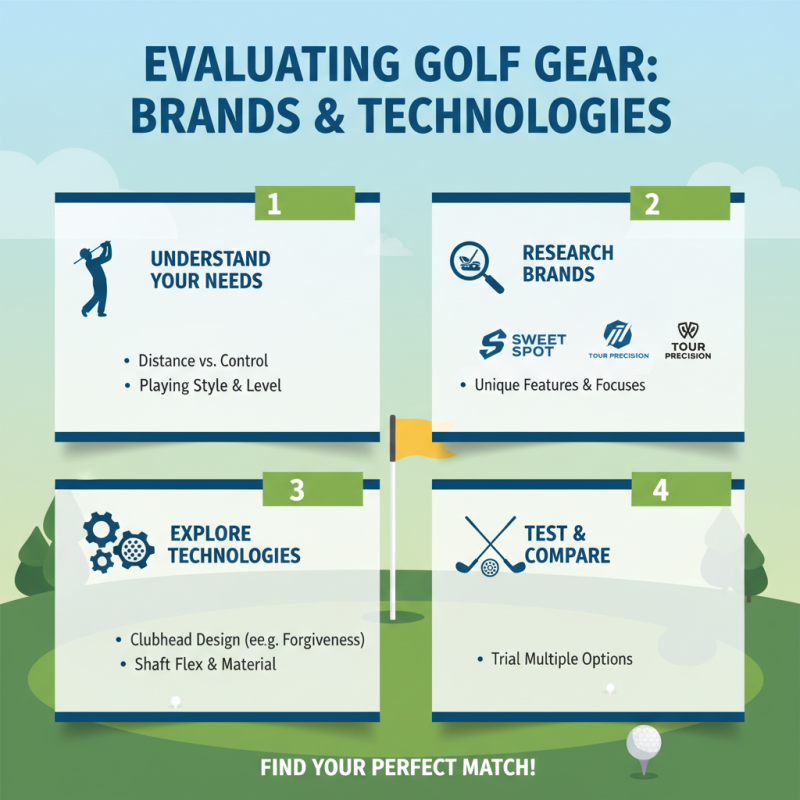
When selecting golf gear, understanding various brands and technologies is crucial. Different brands offer unique features that cater to specific needs. For example, some focus on enhancing distance, while others prioritize control and precision. Look for gear that aligns with your playing style and experience level. Testing multiple options helps identify what truly works for you.
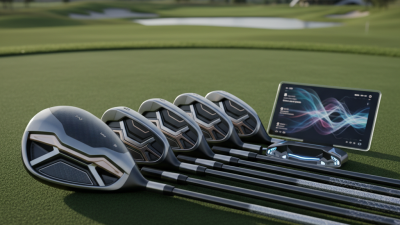
Technologies have evolved significantly. Some clubs now feature adjustable weights, improving shot accuracy and performance. Others utilize advanced materials, enhancing durability and feel. It’s essential to read reviews and gather insights from experienced players. However, opinions can vary widely. One player’s favorite may not suit you. Be open to experimentation.
Consider your comfort with the gear. If it doesn’t feel right, your performance may suffer. Pay attention to how each piece of equipment impacts your game. A club that promises great results may not deliver if it lacks the right fit. It’s worth revisiting your choices periodically to ensure they still meet your needs. The right gear can make a big difference, yet finding it is an ongoing process.
Setting a Budget for Your Golf Equipment Purchases
Setting a budget for your golf equipment purchases is crucial. Many golfers overspend, thinking that higher prices equal better performance. This mindset can lead to regret when realizing the gear does not suit their style. Knowing your budget helps filter choices that enhance your game without breaking the bank.
Tips: Start by evaluating your needs. Do you need a new driver or are your clubs still good? Consider second-hand options for high-quality gear at lower costs. Research and compare products before making decisions. Rushing can result in poor choices.
Another important point is to prioritize key items. A decent set of clubs and a good pair of shoes can often make a significant impact. Sometimes, spending on lessons can prove more beneficial than new equipment. Reflect on your playing style and areas of improvement to allocate funds wisely. Avoid being swayed by trends; equipment fads change quickly.
2026 Golf Gear Budget Allocation
Testing and Fitting Golf Gear for Optimal Performance
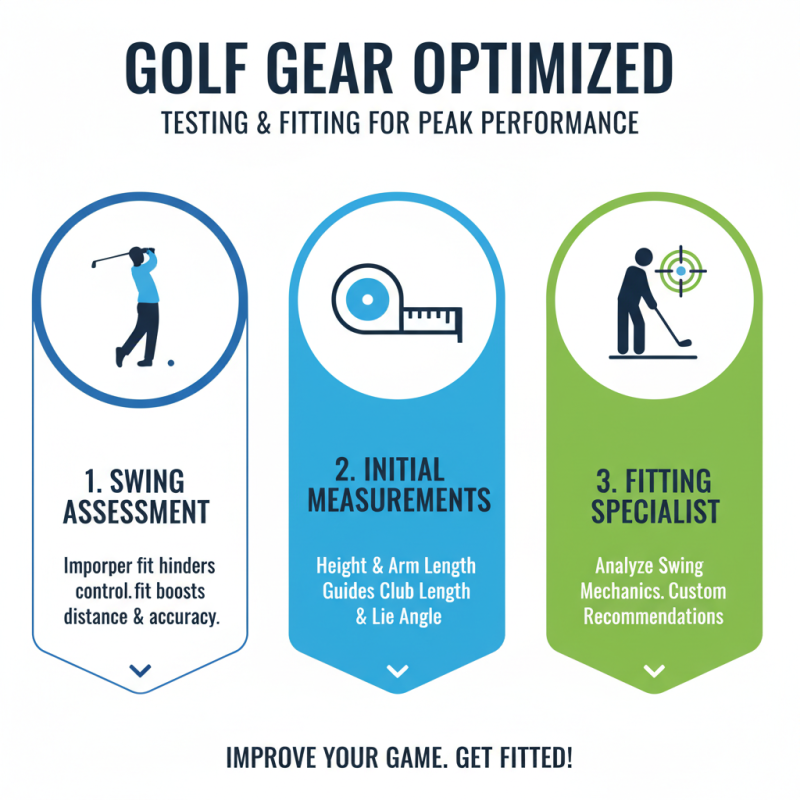
When selecting golf gear, testing and fitting are crucial for optimal performance. Improperly fitted clubs can hinder your swing. A well-fitted club can enhance your control and distance. Start by assessing your height and arm length. This can guide measurements for club length and lie angle. Take the time to visit a fitting specialist, who can provide insights into your unique swing mechanics.
During testing, focus on various aspects of the gear. Evaluate the grip size; it significantly impacts your swing accuracy. Try different shaft flexes to find what complements your swing speed. Remember, what works for one golfer may not work for another. Sometimes, it takes trial and error to find the perfect fit. Keeping notes on what you like or dislike can help in this process.
Be open to feedback from experienced golfers and trainers. They can offer valuable perspectives. Trust your instincts, but also consider their advice. Fitting is not a one-size-fits-all approach. Regularly assess your gear as your skills evolve. Adapting your equipment is vital for continuous improvement. Each adjustment could lead to a better game.