Why Choose the Right Kids Golf Clubs for Young Players?
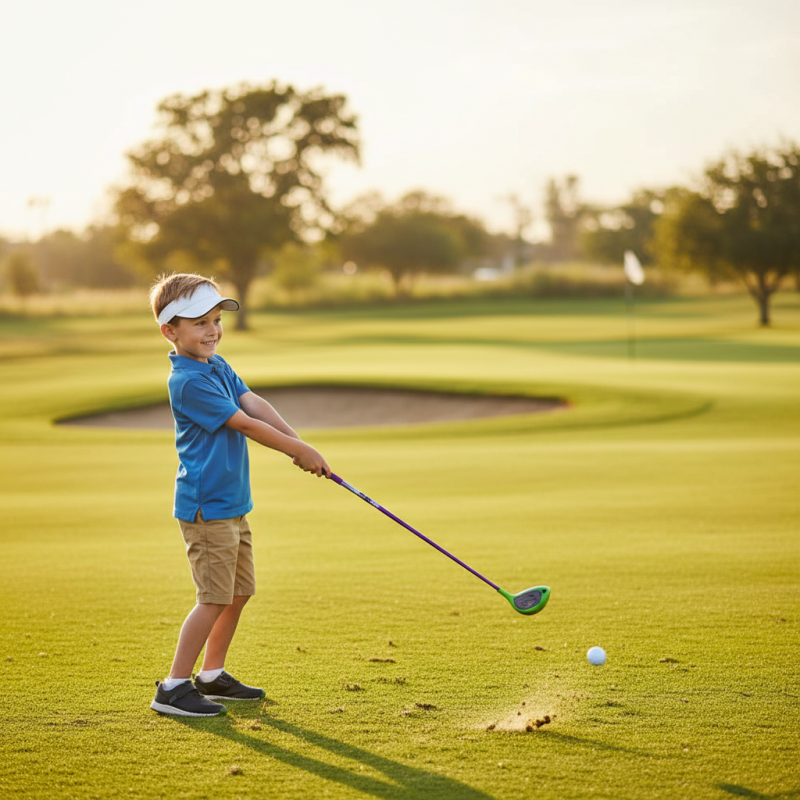
Choosing the right kids golf clubs is vital for young golfers. The right equipment can shape their experience and skills. Kids need clubs that fit their size and strength. Ill-fitting clubs can lead to frustration and a lack of interest in the game.
Many parents underestimate the importance of proper golf clubs. They might think any club will do. However, using clubs that are too heavy or long can hinder swing development. Kids may struggle to connect with the ball, leading to disappointment.
Selecting appropriate kids golf clubs fosters a positive learning environment. When kids feel comfortable, they are more likely to enjoy the game. It is essential to invest time in understanding club specifications. This effort can improve their performance and confidence on the course.
Understanding the Importance of Selecting Kids Golf Clubs
Choosing the right golf clubs for kids is essential. Young players need equipment that fits their size and strength. Clubs that are too heavy or long can make learning difficult. This can lead to frustration. Properly fitting clubs help children develop their skills more effectively.
When selecting clubs, consider the child's height and experience level. Many parents overlook these factors. Clubs should allow the child to swing comfortably. If a club feels awkward, the child may lose interest. It's important to see how the child interacts with the clubs during play.
Additionally, pay attention to the grip size. A grip that is too large or too small can hinder a child's ability to hold the club securely. This can result in poor swings and inconsistent shots. Encouraging young players to try different clubs can help refine their choices. While it can be challenging, finding the right clubs is vital for a positive golfing experience.
Why Choose the Right Kids Golf Clubs for Young Players?
Choosing the right golf clubs for young players is crucial in ensuring they enjoy the game and develop the correct skills. The following chart illustrates the preferred clubs among young golfers based on age group and club type.
Factors to Consider When Choosing Golf Clubs for Young Players
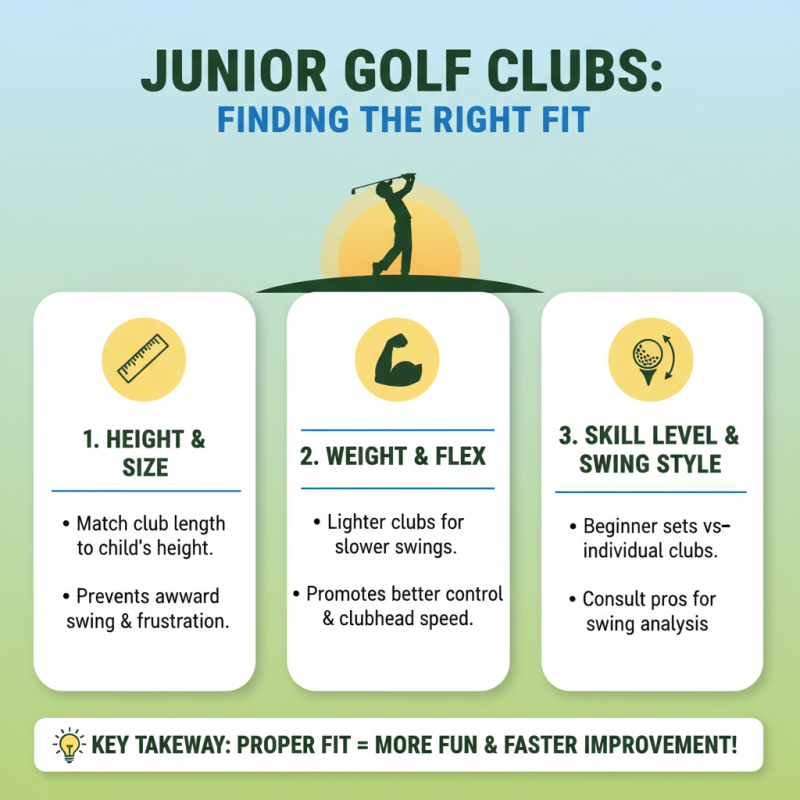
Choosing the right golf clubs for young players is crucial. Children are still developing their skills and strength. Clubs that are too heavy or too long can lead to frustration. It's essential to pick clubs that match their height and swing style. Many parents overlook this factor, which can cause long-term disinterest.
Weight is another important aspect. Lighter clubs are easier for young players to handle. If they struggle to lift the club during practice, they may lose motivation. A proper grip size also matters. If the grip is too big or too small, it affects their control. Many young golfers feel awkward and uncomfortable when playing with the wrong equipment.
Lastly, consider the flexibility of the shafts. Softer shafts can help young players get better distance and accuracy. However, some parents might prioritize cost over quality, leading to poor choices. Investing in the right equipment can make all the difference. Reflecting on these factors can help ensure a positive experience for young golfers.
The Benefits of Age-Appropriate Golf Clubs for Skill Development
Choosing age-appropriate golf clubs for kids can significantly impact their skill development. When clubs are tailored to their height and strength, young players can swing more comfortably. This leads to better form and technique. Imagine a child struggling with an oversized club. It's frustrating and can lead to poor habits.
The right equipment also fosters confidence. A beginner can hit the ball solidly, which encourages them to play more. When they see progress, it creates a positive cycle of growth. Without proper clubs, children might feel discouraged. They may compare themselves to others, thinking they aren't good enough. Age-appropriate golf clubs reduce this gap.
Engaging with the game becomes easier. Kids can focus on improving their skills rather than fighting against heavy or awkward clubs. They learn the basics without unnecessary stress. Yet, some parents may rush to buy the latest equipment, forgetting the importance of fit. Golf should be fun and accessible, not a chore. Consider the child’s experience. Ensure they enjoy every swing while developing their unique style.
Why Choose the Right Kids Golf Clubs for Young Players? - The Benefits of Age-Appropriate Golf Clubs for Skill Development
| Age Group |
Club Length (inches) |
Weight (grams) |
Skill Level |
Benefits of Using Age-Appropriate Clubs |
| 4-6 years |
27-30 |
200-250 |
Beginner |
Enhances swing mechanics and encourages confidence. |
| 7-9 years |
30-33 |
250-300 |
Intermediate |
Improves accuracy and distance control. |
| 10-12 years |
33-36 |
300-350 |
Advanced |
Facilitates stronger swings and better ball striking. |
| 13 years and up |
36-38 |
350-400 |
Expert |
Encourages competitive play and fine-tunes skill. |
Different Types of Golf Clubs Suitable for Children
Choosing the right golf clubs for kids is essential for their development and enjoyment of the game. Young players have specific needs, and using the right equipment can make all the difference. There are various types of golf clubs designed especially for children. These clubs are lighter and shorter, making it easier for kids to swing and control their shots.
Putters are a great starting point for young golfers. A well-designed putter helps improve accuracy on the green. Kids can learn the fundamentals of aiming and distance control with ease.
Iron clubs also play a vital role. They come in different sizes, allowing children to progress as they grow. Using the right iron can boost confidence when hitting the ball.
Drivers should also be considered. These clubs help kids practice long-distance shots. However, some kids may find it challenging to use a driver initially. A lighter driver can encourage practice and skill development.
Clubs need to fit well; otherwise, kids might feel frustrated. Choosing the appropriate length and weight requires careful consideration. Focus on finding clubs that help kids enjoy the game while growing their skills.
Tips for Fitting Kids Golf Clubs to Enhance Performance and Enjoyment
Choosing the right golf clubs for kids is crucial. Proper fitting can enhance their performance and enjoyment. Aim for clubs that match their height and strength. A well-fitted club can make a real difference. If clubs are too long, young players may struggle to control their swings. If too short, they won’t get the right leverage.
Check the weight of the clubs. Lightweight options allow for better swings and more fun. Heavy clubs might frustrate young players, causing them to lose interest. Pay attention to the grip size. A comfortable grip helps them hold the club properly. If they find it difficult to grip, performance will suffer.
Also, consider the child’s swing speed. Fast swing speeds benefit from flexible shafts. Slow swing speeds may need something stiffer. Encourage kids to practice frequently but watch for signs of fatigue. A tired player is less likely to enjoy the game. It's important to adjust expectations as they grow. Their needs will change, and so should their equipment. Taking the time to find the right fit pays off in the long run.