What Is a Premium Dog Leash and How to Choose One?
A Premium Dog Leash is more than an attractive strap with polished hardware. It is a daily safety tool, a communication aid, and a comfort decision for both dog and handler. The best leash should feel secure in your hand, move smoothly through busy streets, and withstand sudden pulling without cutting into your palm.
Dog behavior specialist Dr. Zazie Todd emphasizes, “Kindness is not a training weakness; it is a welfare standard.” This principle matters when choosing a Premium Dog Leash. A strong leash should support calm guidance, not force or fear. Look for durable stitching, reliable clips, comfortable materials, and a length suited to your walking environment. A reflective thread can improve visibility during evening walks. A padded handle may reduce pressure during an unexpected lunge.
Details matter. So does fit.
However, premium does not always mean perfect. A leather leash may feel luxurious, but it can become heavy when wet. A lightweight rope leash may be easier to carry, yet its clip might not suit a powerful dog. Retractable designs offer freedom, but they can reduce control near traffic or crowded paths. These weaknesses deserve honest consideration.
This guide explores what makes a Premium Dog Leash genuinely valuable. It compares materials, construction, safety features, comfort, and practical use. Your dog’s size, strength, habits, and walking route should shape the decision. Marketing language can mislead. Careful observation usually helps more.
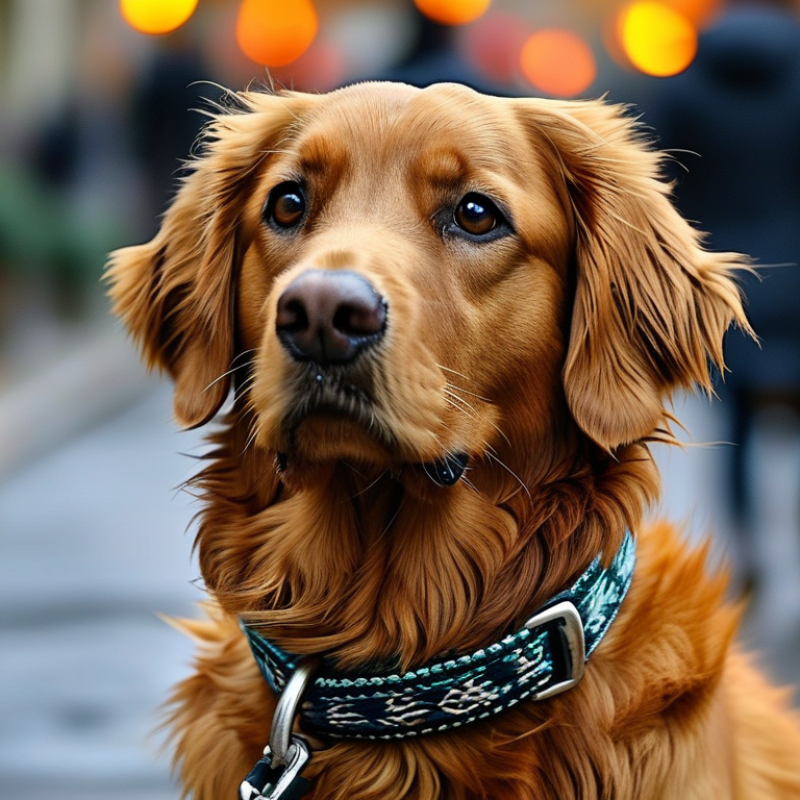
What Defines a Premium Dog Leash?
A premium dog leash is defined by dependable performance, not a polished price tag. The American Pet Products Association reported that 66% of U.S. households owned a pet in 2023–2024. That scale makes everyday walking equipment a serious safety consideration. A quality leash should use tightly woven webbing, reinforced stitching, and corrosion-resistant hardware. Its clasp should close cleanly and resist twisting under sudden pressure. Check the connection by hand before every walk.
Comfort also separates a premium leash from an ordinary one. A padded handle can reduce friction during a strong pull, while reflective thread improves visibility near roads or during evening walks. The Pet Food Manufacturers’ Association reported that 53% of UK households owned a pet in 2024, showing how widely walking routines affect daily life. However, no universal legal standard defines “premium” for dog leashes. Marketing language can be vague.
I prefer measurable details. Look for stated load testing, material specifications, washing guidance, and clear weight limits. Match the leash to the dog’s size, strength, and behavior, not just body weight. A long leash may suit open spaces, but it can create hazards near traffic. I still inspect the stitching often. Even expensive equipment can wear silently, especially after rain, mud, or repeated pulling. APPA’s 2023–2024 report also placed U.S. pet industry spending at $147 billion, but spending more never replaces careful inspection.
How Premium Dog Leashes Differ from Standard Options
What Is a Premium Dog Leash and How to Choose One?
Premium dog leashes differ from standard options through construction, not decoration. Standard models often use single-layer webbing and basic metal clips. Premium designs may add reinforced stitching, smoother edges, stronger alloy hardware, and a padded handle. These details matter when a dog suddenly lunges toward a squirrel. Price proves little. A high price cannot replace proper fitting or regular inspection.
The American Pet Products Association reported 65.1 million U.S. households owned dogs in its 2023–2024 National Pet Owners Survey. FEDIAF’s 2024 Facts and Figures report also counted about 139 million European households with pets. These figures show why leash quality affects millions of daily walks. However, no universal standard defines “premium” for every leash. That wording can mislead buyers.
Check the leash against your dog’s weight, strength, and walking habits. A calm small dog may need light hardware, while a powerful puller needs reinforced attachment points. Test the clip with one hand. It should open smoothly but resist accidental release. Examine stitching near the handle and clasp. Reflective threads help at dusk, though they do not replace lights or visibility. I would also question very thin materials marketed as heavy-duty. They may feel sleek, but durability is not always obvious. Fit matters more. A leash that is comfortable, inspectable, and suited to real behavior usually outperforms a fashionable one.
How to Choose the Right Leash for Your Dog
A premium dog leash is not simply an expensive strap. It should combine dependable materials, secure hardware, comfortable handling, and careful construction. Good stitching matters at the handle, clip, and connection points. The leash should feel balanced, not stiff or slippery. Small details count. Smooth edges protect hands during sudden pulls. A corrosion-resistant clip can remain reliable after wet walks, but it still needs regular inspection.
Choosing the right leash starts with your dog’s size, strength, and walking behavior. A small, calm dog may suit a lightweight leash with a narrow handle. A powerful or reactive dog needs stronger webbing, a reinforced clip, and a grip that stays secure. Measure the attachment point on the harness or collar before buying. The clip must close fully and resist accidental opening. Length also changes control. A shorter leash helps in crowded areas, while extra length supports relaxed walking in open spaces. Avoid excessive slack near roads or other hazards.
Consider the walking surface and your own hands. Wet weather, rough paths, and frequent washing can expose weak materials quickly. I once chose a soft leash that felt excellent indoors, yet it became awkward during a rainy training session. That mistake changed my checklist. Comfort matters, but control matters more. Check stitching often, especially after strong pulls. Replace the leash when fibers fray, clips bend, or seams loosen. Price can suggest quality, but evidence should decide.
How to Use, Maintain, and Replace a Premium Dog Leash
A premium dog leash is more than an attractive accessory. It should combine dependable webbing, reinforced stitching, smooth hardware, and a comfortable handle. The American Pet Products Association reported 65.1 million U.S. households owned dogs in 2023–2024. That scale makes safe daily equipment important, not decorative. The Centers for Disease Control and Prevention also estimates about 4.5 million dog bites occur annually in the United States. A secure leash supports better control, especially near traffic, children, or unfamiliar dogs.
Use the leash with a properly fitted collar or harness. Keep enough slack for natural movement, but avoid letting it drag across the ground. Check the clasp before every walk. Look closely at the stitching, handle, and connection ring. Wash fabric leashes with mild soap, then dry them completely. Do not store them while damp. I once focused only on the metal clasp and missed fraying near the handle. That small oversight changed how I inspect equipment.
Tips: Hold the leash near the handle in crowded areas. Replace it immediately after broken stitching, deep cuts, severe stiffness, or rust that affects movement. Sunlight and saltwater can weaken fibers, even when damage is difficult to see. A leash does not need replacement simply because it is old, but age deserves attention. If the material feels thinner, the grip becomes slippery, or the clasp opens inconsistently, retire it. Manufacturer care instructions should guide washing and storage, although they cannot replace regular hands-on inspection.

