What is a Golf Club Set and How to Choose the Right One?
Choosing the right golf club set is essential for golfers of all levels. A well-suited set can significantly enhance performance and enjoyment. According to the National Golf Foundation, 24% of golfers wish to improve their game, often turning to specific equipment like a golf club set. Expert golfer and equipment specialist, Mark Crossfield, emphasizes, "A correctly fitted golf club set can transform your game."
Understanding the components of a golf club set is critical. Typically, it includes drivers, irons, wedges, and putters. However, for newcomers, selecting the right mix can be overwhelming. Many fail to consider factors like swing speed, height, and playing style. Research indicates that improper fitting can lead to substantial decreases in performance, sometimes as much as 30%.
Golfers frequently overlook the importance of personalization. Each player has unique needs that determine the best golf club set for them. Ignoring these can lead to frustration and poor results. In a sport where precision matters, making informed choices is not just beneficial; it’s vital.

What is Included in a Standard Golf Club Set?
A standard golf club set typically consists of several key components. Most sets include a driver, a few woods, irons, wedges, and a putter. The driver is crucial for long-distance shots off the tee. It's often paired with a 3-wood and a 5-wood, designed for more accuracy at varying distances. According to recent data, nearly 80% of golfers use a driver in their set, highlighting its importance.
Iron sets usually contain 6 to 8 irons, ranging from pitching wedges to 5-iron. These clubs help players achieve a balance of distance and accuracy. Research indicates that over 70% of strokes taken during a round occur within 150 yards of the hole. This underscores the significance of having quality irons in your bag.
Quality wedges, commonly a sand wedge and a lob wedge, assist in short game precision, with 60% of players acknowledging their critical role in scoring well.
Additionally, putters are a vital part of any set, accounting for nearly 40% of all strokes in a game. A good putter complements the golfer’s style. It's well-known that custom fitting can improve performance. Golfers often overlook this detail, which reflects a gap in their understanding. Understanding what is included in a golf club set is essential. It helps to identify which clubs may need upgrading or replacing for improved overall performance on the course.
Understanding Different Types of Golf Clubs: Irons, Woods, and Putters
Golf club sets are essential for players at any skill level. There are three main types of golf clubs: irons, woods, and putters. Each type serves a unique purpose on the course, and understanding these differences can enhance your game.
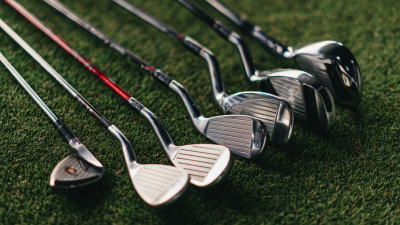
Irons are numbered clubs, typically ranging from 3 to 9, plus the pitching wedge. They are designed for precise shot-making. According to the National Golf Foundation, about 40% of all shots made during a round come from irons. Selecting the right iron can significantly influence your performance. Pay attention to the club’s loft and lie angles, which impact trajectory and distance. More loft means higher shots, while less loft provides longer distances.
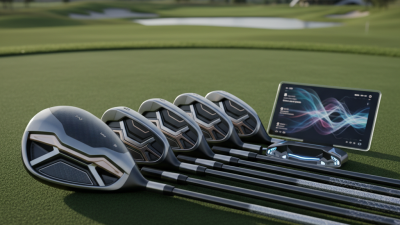
Woods, on the other hand, are typically used for long-distance shots. Drivers fall under this category, playing a crucial role in tee shots. The average driving distance for amateur male golfers is around 230 yards, as highlighted by the PGA. Properly fitted woods can boost your distance and accuracy. When choosing a wood, consider the clubhead size and shaft flexibility. A mismatch can lead to unwanted hooks or slices.
Putters are vital for the final strokes on the green. They account for nearly 40% of a golfer’s total strokes, making them critical for lowering your score. Each putter style has a unique design, impacting the roll and feel. Test multiple designs to find one that suits your putting style. Understand that mastering the putter often requires practice and adjustment. The best players dedicate hours refining their putting techniques, highlighting the importance of commitment in improving this crucial aspect of the game.
What is a Golf Club Set and How to Choose the Right One?
| Type of Club |
Description |
Typical Uses |
Recommendation for Beginners |
| Irons |
Clubs with a flat face and shorter shafts, designed for accuracy and control. |
Used for mid-range shots and approach shots to the green. |
Choose a set of game improvement irons for easier play. |
| Woods |
Clubs with larger heads, designed for distance and power, typically made of wood or composite materials. |
Used for tee shots and long fairway shots. |
A driver and 3-wood are ideal for beginners to help with distance. |
| Putters |
Clubs with a flat face specifically designed for rolling the ball into the hole. |
Used on the putting green to complete a hole. |
Select a putter that feels comfortable in your hands for better control. |
Key Factors to Consider When Choosing a Golf Club Set
Choosing the right golf club set can be overwhelming. It’s crucial to assess your skill level first. Beginners often benefit from more forgiving clubs that help improve accuracy. Advanced players might prefer clubs tailored to their specific swing characteristics. Understanding your experience level allows for better selection.
Next, consider your playing style. Do you favor power or precision? Power hitters need clubs that optimize distance. Meanwhile, those who prioritize accuracy might choose irons with a smaller clubhead. Weight also matters; lightweight clubs can enhance swing speed but may lack control.
Don’t forget about fit. Visit a professional for a fitting session. A proper fit can elevate your performance significantly. Many make the mistake of not investing time in fittings, leading to discomfort and lower scores. Reflecting on your needs can help you avoid such missteps.
The Importance of Custom Fitting for Golf Clubs
Custom fitting for golf clubs is essential. It ensures the clubs match your unique swing style. Many golfers underestimate this process. They think any club will do. However, the wrong fit can lead to poor performance and frustration.
During a fitting session, professionals assess your height, arm length, and swing speed. They analyze your grip and stance as well. This information helps them choose the right shaft length and flex. It can feel overwhelming, especially if you’re new to golf. Yet, investing time in fitting yields better results on the course. Imagine being able to hit straighter drives and more accurate approach shots.
Neglecting fitting might seem like a minor detail. But even slight misalignments can disrupt your game. A club that’s too short or too long can alter your posture. This affects your swing plane and consistency. Embracing the custom fitting process opens doors to improvement. It’s an investment in your golf experience that pays off with every swing.
Golf Club Set Types and Their Average Prices
Analyzing Popular Golf Club Set Brands and Their Offerings
When exploring popular golf club set brands, it's essential to analyze their unique offerings. Many brands focus on creating sets that reflect diverse player skill levels. This approach allows beginners and seasoned golfers to find suitable options for their game.
Some brands produce entry-level sets that emphasize forgiveness. These sets often include oversized drivers and lightweight materials to help newer players improve their swing. However, the balance of power and control can sometimes be lacking. More advanced golfers might seek sets with tailored weights and precision engineering, which enhance shot accuracy. Yet, premium options can be costly.
Choosing the right brand involves understanding your playing style. Some manufacturers create game-improvement clubs, while others target those seeking performance and feel. Always consider your skill level and specific needs. Don't rush. Exploring various options can lead to better decisions. Test different clubs when possible. Your choice should increase confidence on the course.