What is a Golf Driver and How Does It Improve Your Game?
A golf driver is a crucial club in every golfer's bag. It is specifically designed for maximum distance off the tee. Understanding how a golf driver works can significantly enhance your game.
A proper golf driver can lead to longer drives and more confidence on the course. For many players, this club becomes the bridge between good and great performances. However, not all golfers use their golf drivers effectively. Factors like swing speed and technique play a huge role. A driver that feels comfortable may still feel inadequate in performance. It's essential to reflect on what works best for you.
Choosing the right golf driver can be challenging. Various features, such as weight and loft, influence how the driver will affect your shots. Some players struggle with a lack of distance while others may overswing. Finding the perfect balance is key. Ultimately, the right golf driver can transform your game for the better.
What is a Golf Driver?
A golf driver is a specialized club designed for long-distance shots. It is typically used off the tee on par-4 and par-5 holes. Golf drivers have larger clubheads compared to other clubs. This design helps maximize the distance the ball travels. Many players often underestimate the importance of the driver. A good driver can greatly affect your overall performance.
The head of the driver is usually made of lightweight materials. This allows players to swing faster, translating to more power. The loft of the driver plays a crucial role too. A lower loft can provide a flatter trajectory, while a higher loft helps get the ball airborne. Some players struggle with their driver, often hitting it inaccurately. This inconsistency can lead to frustration, but it provides opportunities for improvement.
Many golfers find that adjusting their stance can also improve their driver performance. Experimenting with ball position and grip can lead to better results. However, it’s common to feel overwhelmed when trying new techniques. Focusing on proper swing mechanics rather than just power is essential. Small adjustments can lead to significant gains over time.
The Anatomy of a Golf Driver
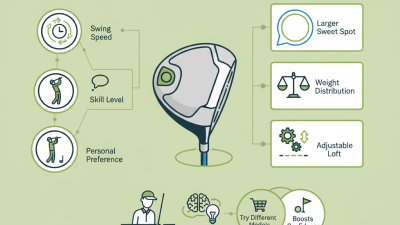
The anatomy of a golf driver consists of several key components that greatly affect your performance. The clubhead is often large, typically featuring a sweet spot designed for powerful hits. This area is critical because it helps maximize distance. The face of the driver is engineered for speed and can vary in loft. Players must choose wisely based on their swing characteristics.
The shaft is another vital part. It comes in different flexes and lengths. A stiffer shaft may work for faster swings, while a more flexible one benefits slower swingers. Pay attention to how the material affects your timing and control. Your grip also influences your ability to handle the driver. An uncomfortable grip can lead to mishits and frustration.
Tips: Focus on your stance. A solid foundation is crucial for a good swing. Also, regularly check your swing mechanics. Small adjustments can lead to significant improvements. Lastly, observe how the driver responds to different lies. Experimenting will help you understand your needs better. Fine-tuning these aspects can elevate your game.
How to Choose the Right Golf Driver for Your Game
Choosing the right golf driver is crucial for enhancing your game. The driver is often the first club you use on each hole. According to the USGA, a proper driver can increase your distance by up to 20 yards. That’s a significant gain for any golfer.
When selecting a driver, consider the loft. A loft between 9-12 degrees is common. Beginners often benefit from a higher loft. This helps to achieve better launch angles. Additionally, pay attention to the shaft flex. Flexible shafts can aid in generating more speed, while stiffer ones provide more control.
Tips: Try different drivers at a local course. Fitting sessions can help you discover your ideal specs. Don’t be afraid to ask for help. A professional's insight can be invaluable. Remember, experimentation is key. Your ideal driver may differ from standard recommendations.
Don’t overlook swing speed. Research shows that golfers with higher swing speeds typically use lower-lofted drivers. Meanwhile, slower swing speeds benefit from higher lofts. It’s essential to reflect on your own ability and comfort. One driver does not fit all. Keep searching until you find the perfect match for your style of play.
What is a Golf Driver and How Does It Improve Your Game? - How to Choose the Right Golf Driver for Your Game
| Driver Type |
Loft (degrees) |
Shaft Material |
Weight (grams) |
Typical Price Range ($) |
| Driver A |
10.5 |
Graphite |
300 |
250 - 350 |
| Driver B |
9.0 |
Steel |
320 |
200 - 300 |
| Driver C |
12.0 |
Graphite |
280 |
150 - 250 |
| Driver D |
11.5 |
Graphite |
310 |
300 - 400 |
| Driver E |
10.0 |
Steel |
340 |
100 - 200 |
Techniques for Using a Golf Driver Effectively
A golf driver is a critical club in any golfer's bag, designed to hit the ball the farthest. To enhance your game with a driver, technique is key. Understanding stance, grip, and swing can drastically change outcomes on the course.
Focus on your grip. A neutral grip allows for better control of the club face. It is estimated that 60% of golfers struggle with this element, impacting accuracy. Tips to remember include holding the club lightly and ensuring your hands are aligned.
Your stance also matters. Position your feet shoulder-width apart for stability. Bad foot positioning can lead to inconsistency. Most players don’t realize that shifting weight correctly during the swing creates more power. Practicing this could increase driving distance by up to 20%.
Finally, follow through is crucial. Many players forget this essential part, leading to poor shots. A full follow-through, with your hips rotating properly, can add significant distance. Consistently implementing these techniques requires reflection and practice. Don’t rush; improvement takes time.
The Impact of a Good Driver on Your Overall Golf Performance
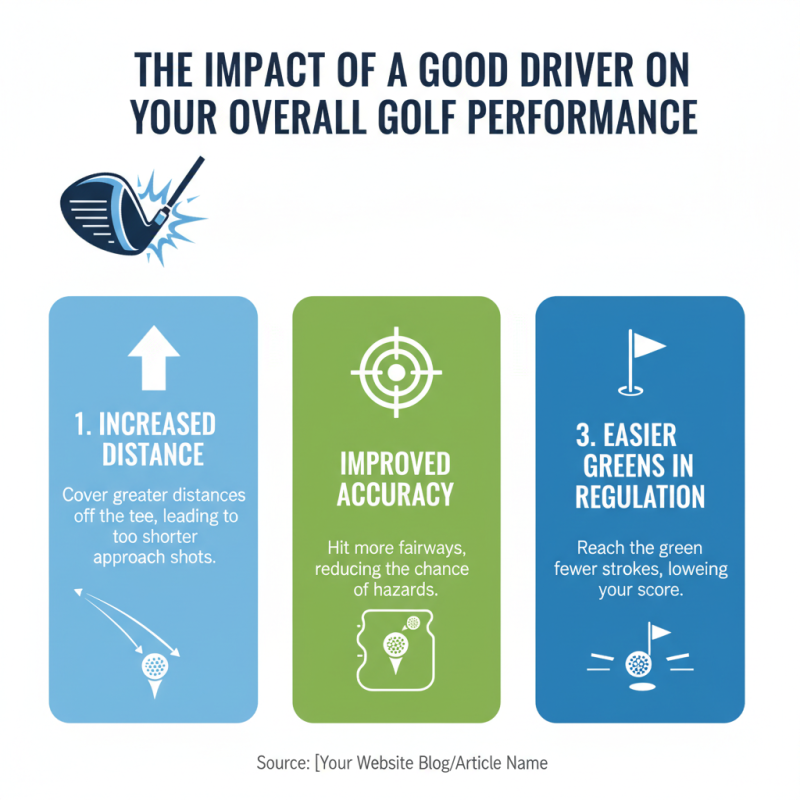
A good golf driver can dramatically influence your performance on the course. It plays a vital role in your game by providing distance and accuracy. With the right driver, you can cover greater distances off the tee. This increased distance can significantly affect your approach on subsequent shots, making it easier to reach the green.
When choosing a driver, consider the length, loft, and weight. These factors can alter how you swing and connect with the ball. A driver that feels comfortable in your hands can boost your confidence. Yet, finding the perfect driver often requires trial and error. Not every driver will fit your swing, and you might need to reassess your choice after a few rounds. Reflecting on your performance will help you determine what actually works for you.
The impact of a quality driver goes beyond just numbers. It can change your mindset on the course. If you know you can drive the ball farther, you might take more aggressive shots. However, this can also lead to unintended consequences. More distance doesn’t always mean better accuracy. Sometimes, a new driver can lead to more mistakes. It’s essential to find a balance between power and precision.