Skip to content

How to Buy Second Hand Golf Clubs Online?

Buying second hand golf clubs online can save money, but the process requires more than comparing prices. A shiny photograph may hide worn grooves, a cracked shaft, or a grip that feels like hard plastic. Experienced golfers inspect club specifications carefully, including loft, shaft flex, length, lie angle, and head condition. These details affect ball flight and comfort, especially when replacing a familiar set.

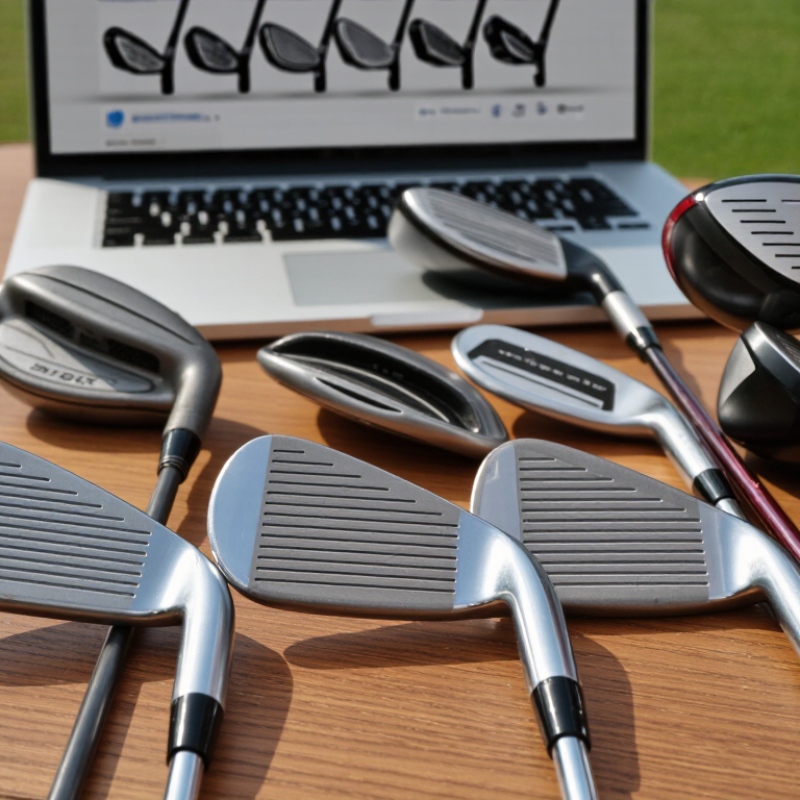
A reliable seller should provide clear photographs from several angles, accurate measurements, and an honest condition report. Look for close-ups of the clubface, sole, hosel, and grip. Seller reviews also matter, although reviews are not perfect evidence. Ask direct questions before paying. What is the club’s exact model? Has it been repaired? Are the photos current? A sensible return policy offers extra protection when the club differs from its description.

It is easy to buy the wrong bargain.

Set a realistic budget, then compare the total cost, including delivery and possible grip replacement. Trusted golf retailers, established marketplaces, and verified private sellers can each offer value, but their standards vary. Expert guidance helps, yet personal fit remains important. A highly rated club may still feel uncomfortable in your hands. That is the part online shopping cannot fully solve. This guide explains how to assess second hand golf clubs with practical checks, careful questions, and a willingness to walk away when something feels unclear.
How to Buy Second Hand Golf Clubs Online?

Define Your Golfing Needs and Second-Hand Club Budget

Before browsing second-hand golf clubs online, define what your game actually needs. A beginner may need forgiveness and steady distance, not advanced control. Record your usual scores, common misses, and most-used clubs. If your seven-iron feels reliable but your driver causes trouble, avoid buying a complete set automatically. Your notes create a practical buying filter.

Set a total budget before opening listings. Include shipping, possible grip replacement, and a small repair allowance. Used clubs may seem inexpensive until these costs appear. Compare clubs with similar age, condition, loft, shaft flex, and specifications. Ask sellers for clear photos of the clubface, grooves, shaft, and grip. Request measurements when details are missing. In my experience, I once focused too heavily on a low price and ignored worn grips. The club was cheap, but uncomfortable. That decision still needed reconsideration.

Tips: Write your maximum budget down. Leave ten percent for unexpected costs. Check whether the club matches your swing speed and typical ball flight. Avoid listings with vague descriptions or incomplete photos. If you cannot verify the condition, pause before paying. A slightly higher price may offer better value when the club needs less work.

Choose the Right Club Types, Specifications, and Set Composition

How to Buy Second Hand Golf Clubs Online?

The R&A’s Golf Around the World 2023 report recorded 66.6 million golfers worldwide. That broad base supports a lively second-hand market. Before opening a listing, decide your club types. A beginner often needs forgiving irons, a stable hybrid, and a moderate-lofted driver. Strong ball strikers may prefer cavity-back irons or a smaller hybrid. Your usual miss matters more than appearance.

Check specifications carefully. Shaft flex should match swing speed, tempo, and strength. A heavier steel shaft can improve control, but it may tire a slower swinger. Graphite can feel easier to load. Loft changes launch, so compare numbers instead of relying on labels. Measure the grip, shaft length, and lie angle when possible. Small differences can alter contact. I once focused too much on a low price and ignored an unsuitable shaft. That mistake was expensive.

Set composition deserves equal attention. The Rules of Golf allow a maximum of 14 clubs, but many players need fewer. Build useful distance gaps between driver, fairway wood, hybrid, irons, wedges, and putter. Avoid buying a complete set with duplicated lofts. Golf Datatech’s U.S. equipment tracking consistently shows strong replacement activity, yet popularity does not guarantee fit. Request clear photos of faces, grooves, ferrules, and shaft labels. Ask about dents, repairs, and returns. Sellers who answer precisely feel more reliable. Still, inspect everything on arrival. Online confidence can be misplaced.

Assess Online Listings, Photos, Descriptions, and Seller Reliability

How to Buy Second Hand Golf Clubs Online?

The National Golf Foundation reported about 45 million American on-course golfers in 2023. That large market creates many second-hand listings, but quantity does not guarantee quality. I begin with the photographs, not the advertised price. A useful listing should show the clubface, grooves, sole, crown, grip, shaft label, and hosel from several angles. Look closely for deep scratches, dents, rust, lifted ferrules, and uneven wear. Small details matter.

The description should state the model, loft, shaft material, flex, length, handedness, and approximate age. Vague wording worries me. “Lightly used” means little without close-up evidence. Ask for the serial or specification details when appropriate, and compare them with reliable equipment references. I once trusted a clean photograph too quickly; the grip was badly hardened. That was my mistake.

Seller reliability needs separate checking. Review transaction history, recent feedback, return conditions, and response quality. The Federal Trade Commission’s Consumer Sentinel Network Data Book recorded more than 2.6 million fraud reports in 2023, with reported losses exceeding 10 billion dollars. The figure covers many industries, but it supports careful payment and communication habits. Avoid pressure tactics, inconsistent stories, and requests to move payment away from the platform. Keep every message and photograph. If the seller will not answer basic questions, walk away. A lower price is not always a bargain.

Verify Club Condition, Authenticity, Pricing, and Return Policies

Buying second-hand golf clubs online requires more than finding a low price. The R&A’s Golf Around the World 2023 report counted 66.6 million golfers globally. That scale creates abundant used inventory, but also inconsistent listings. Study the face, sole, crown, shaft, grip, and hosel in separate photographs. Ask for current images, not catalogue pictures. Tiny sole dents may be cosmetic. A bent shaft is not.

Authenticity deserves careful checking. Compare the club’s markings, loft, shaft label, serial details, and manufacturing design with reliable technical references. Request a close image of every identifying mark. One missing detail can matter. I would avoid sellers who rush payment or refuse basic questions. The National Golf Foundation reported 28.1 million U.S. on-course golfers in 2023, so popular specifications can carry strong resale demand. That does not make every listing fairly priced.

Compare several completed sales, not only active advertisements. Adjust for condition, shaft type, grip wear, included covers, and shipping costs. A scratched club priced slightly below average may still be poor value. Check whether the platform offers inspection time, refunds, and protection for items not matching the description. Read the return policy word by word. Some policies exclude altered clubs or buyer-paid return shipping. I have learned that “good condition” is too vague; ask what the seller would photograph if the club were in your hands. Even careful buyers can misjudge wear from a screen. That is an unavoidable weakness of online inspection.

Complete a Secure Purchase and Inspect the Clubs Upon Arrival

Buying second-hand golf clubs online can save money, but secure payment and careful inspection matter more than a low price. The National Golf Foundation’s 2023 participation report recorded 26.6 million on-course golfers in the United States. That active market creates many listings, including clubs with hidden wear.

Choose sellers with clear photographs, detailed specifications, and a return policy. Pay through a protected checkout system. Avoid direct transfers or vague payment requests. Save the listing, messages, and receipt. Ask about shaft flex, length, loft, grip age, and previous repairs. The R&A’s Golf Around the World 2023 report identified more than 66 million golfers worldwide, so used equipment can travel through several resale channels. Authenticity still needs checking.

Tips: Compare the serial number with the seller’s photos. Inspect the face for deep grooves, dents, or unusual polishing. Check the shaft under bright light for bends, cracks, and bubbling paint. Twist the clubhead gently; movement may indicate a loose connection. Grips should feel firm, not glossy or slippery. Photograph the unopened package and every defect immediately. A small issue can become difficult to prove later.

Do not rush. I once underestimated grip wear from attractive photos; the clubs looked cleaner than they felt. Measure the club against the listing. Test it only after documenting its condition. Personal inspection remains imperfect, especially when lighting hides small damage.

How to Buy Second Hand Golf Clubs Online? - Complete a Secure Purchase and Inspect the Clubs Upon Arrival

Purchase or Inspection Area What to Verify Acceptable Condition Warning Signs Recommended Action
Seller information Review the seller’s transaction history, written description, photographs, and return terms. Clear description, consistent photos, transparent condition grading, and a written return policy. Stock images only, vague wording, pressure to pay outside the platform, or no return information. Use a payment method with buyer protection and keep all communication on the marketplace.
Club specifications Confirm club type, quantity, handedness, loft, shaft flex, shaft material, and length. The listed specifications match your swing, set composition, and playing needs. Missing measurements, mismatched photos, or specifications that differ between the listing and the seller’s replies. Ask for exact measurements and written confirmation before purchasing.
Photograph quality Check the clubface, sole, crown, hosel, shaft, grip, and any serial or identifying markings. Multiple sharp photographs taken in good lighting, including close-ups of worn areas. Blurred images, heavily edited photos, concealed damage, or only one angle. Request current, date-stamped photographs before committing to the purchase.
Price comparison Compare the asking price with several completed sales for similar age, condition, specifications, and quantity. The price is supported by the club’s condition and includes clearly stated shipping costs. An unusually low price combined with urgency, limited information, or requests for unprotected payment. Treat a very low price as a reason for additional verification, not automatic savings.
Payment security Confirm the checkout page, payment protections, refund process, and total order cost. Payment is processed through a reputable platform with documented dispute procedures. Gift-card requests, bank transfers to unknown recipients, cryptocurrency-only payment, or off-platform links. Do not pay until the seller, listing, shipping terms, and buyer-protection conditions are clear.
Shipping and packaging Check dispatch timing, tracking availability, insurance terms, and packaging method. Tracking is provided and the clubs are protected from shaft bending, head impact, and moisture. No tracking, loose clubs, exposed shafts, inadequate padding, or unclear responsibility for transit damage. Save the listing and photograph the package before opening it.
Unboxing record Record the package condition and contents immediately after delivery. Photos or video show the unopened package, internal padding, and every club received. Missing items, damaged packaging, or differences from the listing that cannot be documented. Do not discard packaging until the inspection and return period are complete.
Clubhead and face Inspect the face, grooves, sole, crown, edges, and hosel for cracks, dents, excessive wear, or separation. Normal cosmetic scratches and surface wear without structural damage or loose components. Cracks, deep dents, bent hosel, loose head, severe groove wear, or signs of repair. Stop playing with a structurally damaged club and contact the seller promptly.
Shaft condition Roll the shaft carefully on a flat surface and inspect for bends, dents, cracks, bubbling, and corrosion. Shaft appears straight and intact, with only minor cosmetic marks appropriate to its age. Visible bending, splits, dents, rust, delamination, or movement near the clubhead or grip. Do not swing a club with a cracked or damaged shaft because it may fail during use.
Grip condition Check grip tackiness, firmness, cracks, hardening, slippage, and fit on the shaft. Grip is secure and usable, with adequate texture and no major splits. Smooth or hardened surface, deep cracks, exposed tape, twisting, or strong chemical odor. Budget for replacement grips if wear affects control or comfort.
Set completeness Count each club and compare its markings, specifications, and condition with the original listing. All listed clubs are present and correspond to the advertised configuration. Substituted clubs, missing headcovers, mixed specifications, or unannounced repairs. Document discrepancies before contacting the seller or opening a dispute.
Functional check After visual inspection, check for head movement, unusual sounds, vibration, and inconsistent feel. Club remains secure and performs consistently during controlled use. Rattling, clicking, head movement, unusual vibration, or performance inconsistent with the description. Test cautiously and retain evidence if the item is materially different from the listing.
Return or dispute deadline Record the final date for returns, refunds, or payment disputes before the order is completed. Inspection is completed within the stated policy period and evidence is stored securely. Waiting until after the deadline, relying only on verbal promises, or losing the original listing. Report material problems immediately and follow the platform’s documented procedure.

Practical rule: cosmetic wear is usually expected on second-hand golf clubs, but cracks, loose heads, bent shafts, and undisclosed specification changes should be treated as significant issues.