2025 How to Choose the Right Golf Shafts for Your Game
Selecting the right golf shafts is a crucial aspect of optimizing your performance on the course. As golf experts emphasize, the shaft plays a pivotal role in determining how effectively you can transfer energy from your swing to the ball. According to renowned golf instructor and shaft specialist Mike Adams, "The right golf shafts will not just enhance your swing; they will redefine your game." This underscores the importance of understanding how shaft characteristics can impact your overall performance.
When considering golf shafts, players often overlook the profound effect that flexibility, weight, and material can have on their shots. Each golfer’s swing is unique, and tailoring your equipment to match your specific style can lead to significant gains. In this guide, we will explore essential factors to consider when choosing the right golf shafts, helping you make informed decisions to elevate your game and enjoy your time on the course even more. Whether you're a seasoned pro or a weekend warrior, the right shafts can make a world of difference in achieving your golfing goals.

Understanding Golf Shafts: An Overview of Their Importance
Understanding the crucial role golf shafts play in determining performance on the course is essential for any golfer looking to improve their game. Golf shafts affect the trajectory, distance, and accuracy of shots, making the selection process vital. According to a report by the National Golf Foundation, nearly 60% of golfers overlook the importance of customizing their shaft choice, often opting for off-the-shelf options that do not cater to their specific playing style or swing speed.
Different shaft materials—primarily steel and graphite—offer distinct advantages. Steel shafts, known for their durability and stability, are generally favored by players with a faster swing speed, providing better control and precision. Conversely, graphite shafts are lighter and can help generate increased swing speed, making them particularly beneficial for beginners or players with slower swing tempos. Data from the Golf Industry Association reveals that over 70% of amateur golfers could benefit significantly from a shaft that aligns better with their swing profile, potentially leading to improved scores and enhanced enjoyment of the game.
In addition to material, shaft flex is another critical factor that influences shot performance. Proper flex allows the shaft to bend during the swing, aiding in energy transfer and accuracy. A report from Golf Datatech indicates that golfers using shafts with the appropriate flex for their swing type could see an increase in driving distance by an average of 10-15 yards. This insight underscores the importance of understanding how different golfing styles can match with suitable shaft characteristics, ultimately leading to a more satisfying golfing experience.
2025: How to Choose the Right Golf Shafts for Your Game
Different Types of Golf Shafts: Materials and Construction Explained
When it comes to selecting the right golf shafts, understanding the materials and construction can significantly enhance your performance on the course. Golf shafts typically come in three primary materials: steel, graphite, and composite. Steel shafts are renowned for their durability and rigidity, offering a consistent feel and greater control, making them a popular choice among players with faster swing speeds. Their added weight can also contribute to better accuracy, particularly in iron shots. However, they may not provide the same level of shock absorption as other materials.
Graphite shafts, on the other hand, are lighter and can generate faster clubhead speeds, which is beneficial for those seeking distance. They also offer greater vibration dampening, making them easier on the hands and arms during play. While they are commonly associated with drivers, many players benefit from their use in irons as well, especially those with slower to moderate swing speeds. Composite shafts, which combine both materials, aim to provide the best of both worlds, offering a blend of lightness and sturdiness. This hybrid approach allows for a tailored performance, catering to different swing styles and conditions, ultimately enabling golfers to optimize their game.
2025 How to Choose the Right Golf Shafts for Your Game
| Shaft Type |
Material |
Flex Options |
Weight Range (grams) |
Launch Angle |
| Steel |
Steel Alloy |
Regular, Stiff, Extra Stiff |
90 - 130 |
Low to Mid |
| Graphite |
Graphite Fiber |
Ladies, Regular, Stiff |
50 - 90 |
Mid to High |
| Hybrid |
Combination |
Regular, Stiff |
70 - 110 |
Mid |
| Ultra-Light |
Graphite |
Ultra-Lite, Regular |
40 - 60 |
High |
Key Factors to Consider When Selecting Golf Shafts for Your Swing
When selecting golf shafts, understanding the key factors that influence performance is essential. One of the foremost considerations is the shaft flex, which refers to how much the shaft bends during the swing. Players with a faster swing speed typically benefit from a stiffer flex, allowing for better control and accuracy. Conversely, those with a slower swing may find that a more flexible shaft enhances their distance by promoting a quicker release through impact.
Choosing the right flex tailored to your swing speed can dramatically improve your overall shot consistency.
Another critical aspect to consider is the shaft weight. Lighter shafts can help generate faster swing speeds, which may benefit players looking to increase distance. However, heavier shafts can provide more stability, which may aid in accuracy for some golfers. It's important to find a balance that complements your swing style. Additionally, shaft material—typically steel or graphite—plays a role in performance.
Graphite shafts are generally lighter and can absorb vibrations better, making them suitable for players seeking comfort or those who need to minimize wrist strain. On the other hand, steel shafts often offer more control and feedback, appealing to players who prioritize precision in their game.
How Flexibility and Torque Impact Your Golf Performance
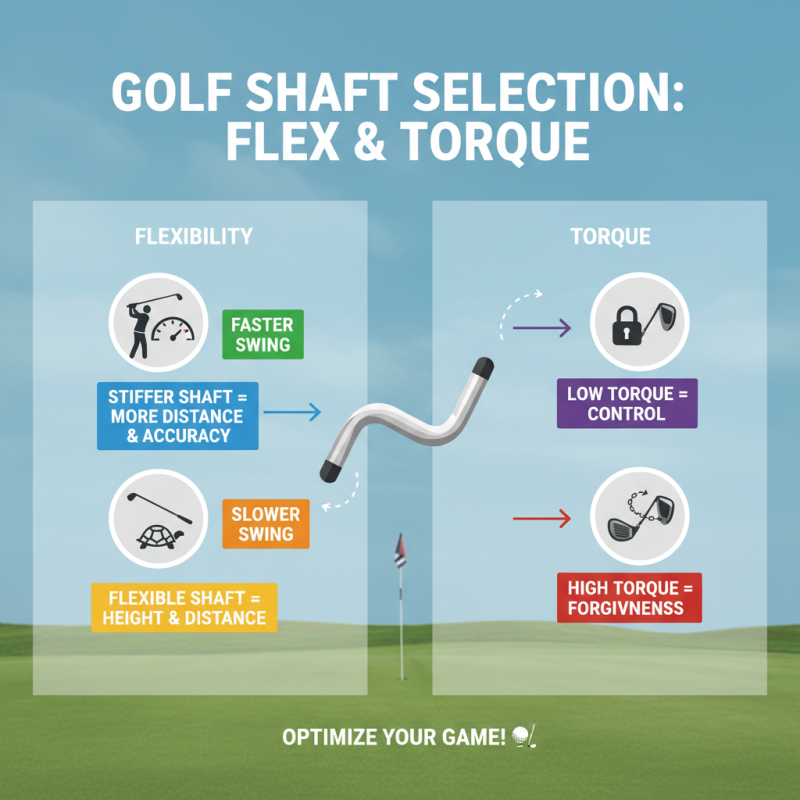
When selecting golf shafts, understanding the concepts of flexibility and torque is crucial for optimizing your game. Flexibility, often referred to as shaft flex, denotes how much the shaft bends during the swing. A shaft that is too stiff can hinder your ability to generate speed and distance, while one that is too flexible may lead to a lack of control and accuracy. The proper flex is essential as it should match your swing speed and style. For instance, players with a faster swing speed typically benefit from stiffer shafts, which can provide better energy transfer and precision. Conversely, those with slower swing speeds might find that a more flexible shaft enhances their ability to achieve height and distance.
Torque, on the other hand, refers to the shaft's resistance to twisting during the swing. A lower torque rating indicates a stiffer shaft that minimizes twisting, which can lead to more consistent ball flight and accuracy. High torque shafts allow for more twisting, potentially giving a player more feel but at the expense of control. Players need to assess their own swings and preferences; some may thrive with the feedback of a higher torque shaft, while others may require the stability offered by lower torque options. Ultimately, understanding how flexibility and torque interact will enable golfers to choose shafts that complement their style and improve their overall performance on the course.
Custom Fitting: Tailoring Golf Shafts to Your Unique Playing Style
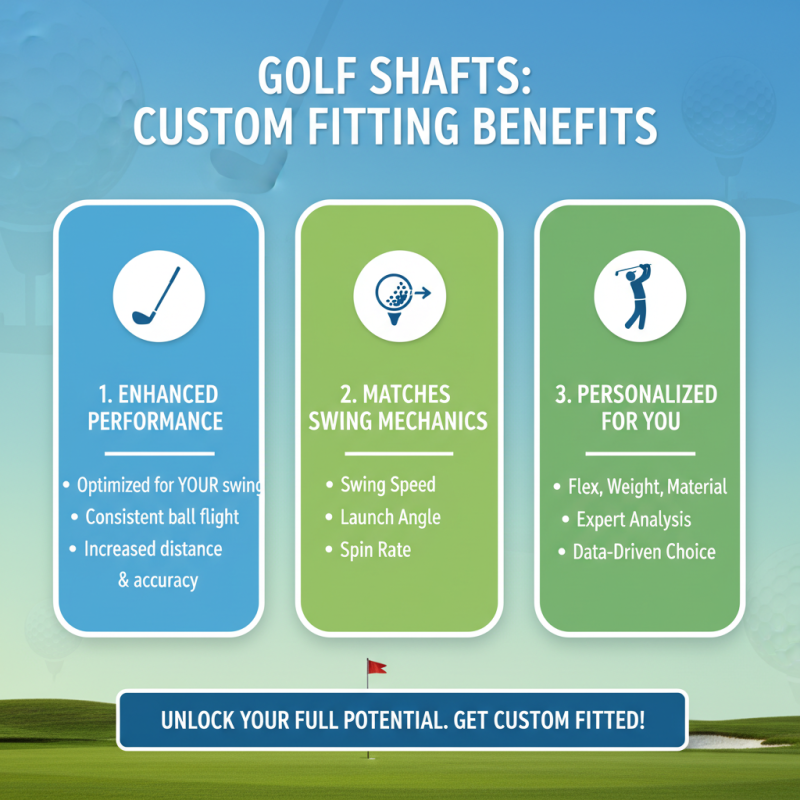
When it comes to selecting the right golf shafts, custom fitting can dramatically enhance your game. Golf shafts come in various flexes, weights, and materials, all of which impact how the club interacts with the ball during your swing. By opting for a custom fitting, you can better align the shaft characteristics with your unique swing mechanics, ensuring optimal performance on the course. A professional fitting session can analyze your swing speed, launch angle, and preferences, helping to tailor the shaft specifications that suit you best.
**Tips:** Start by assessing your swing speed. If you're a slower swinger, a more flexible shaft may help generate higher launch angles and increased distance. Conversely, if you swing fast, you might benefit from a stiffer shaft that provides more control and accuracy. Additionally, consider your playing style—whether you prioritize distance or precision—since different shaft profiles are engineered to cater to specific playing preferences.
It's also crucial to understand the importance of shaft weight. Heavier shafts can offer more stability but may tire you out over a long round, while lighter shafts can enhance speed and distance at the cost of control. Experimenting with different weights during your fitting will give you valuable insights, helping you to fine-tune your equipment for a more enjoyable and effective golfing experience.