Why Buy a Golf Launch Monitor for Your Business?
Why Buy a Golf Launch Monitor for Your Business?
A golf launch monitor can turn a practice bay into a measurable business asset. It tracks ball speed, launch angle, spin rate, carry distance, and club path. These numbers help coaches identify swing problems faster. They also give customers a clearer reason to return.
Martin Chuck, founder of Tour Striker and a respected golf instructor, often reminds golfers, “The golf ball doesn’t lie.” That principle matters in a commercial setting. A customer may feel a swing is improving. The data can confirm it, or challenge that belief. Either outcome creates a more honest coaching conversation.
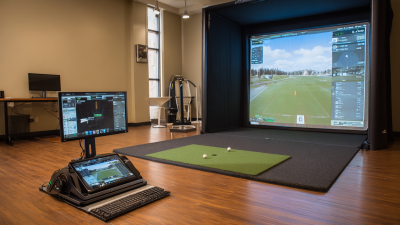
For a golf academy, the device can support premium lessons, detailed club fitting, and structured progress reports. A retail store can use it to compare equipment inside a controlled environment. An entertainment venue can add virtual courses, competitions, and repeat-play packages. The screen may show a 247-yard carry, a 3,100-rpm spin rate, or a slice landing twelve yards right. Those details feel real.
Still, buying one is not an automatic profit strategy. Staff need training, and poor calibration can damage customer trust. Some systems also require substantial investment, subscriptions, or suitable indoor space. I have seen businesses focus on impressive graphics while neglecting service quality. That is a mistake.
The strongest case for a golf launch monitor is practical, not fashionable. It helps a business sell evidence, engagement, and improvement. When used carefully, it can make each session more valuable. Sometimes, however, a skilled coach and a simple target still matter more.
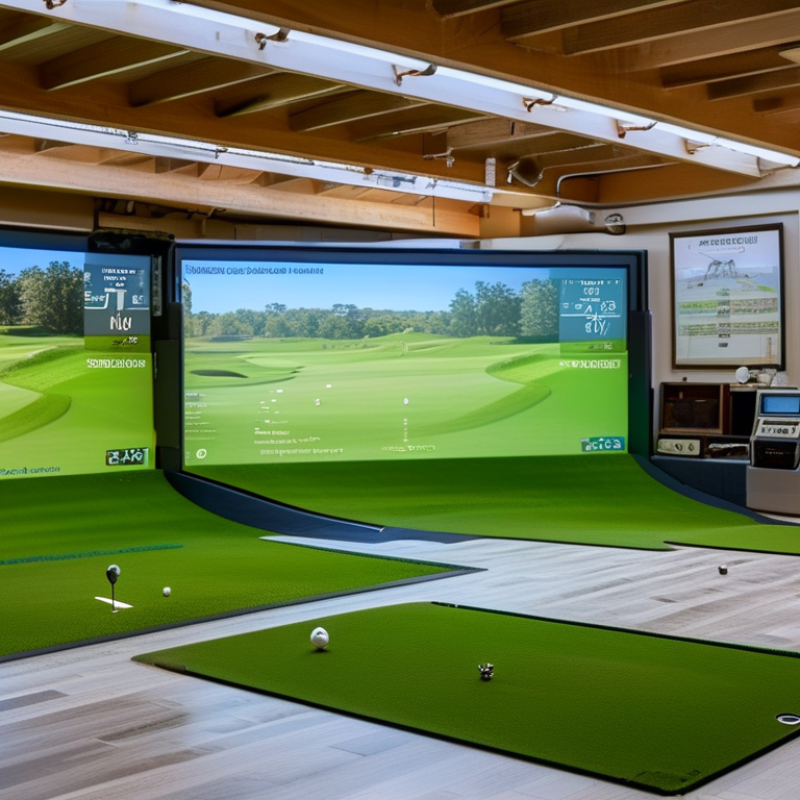
What Is a Golf Launch Monitor and How Does It Work?
A golf launch monitor measures what happens between the clubface and the target. It uses radar, high-speed cameras, or both. These systems track ball speed, launch angle, spin rate, carry distance, club-path direction, and face angle. Software then converts those measurements into a shot model. The screen may show a virtual flight, but the important evidence begins at impact.
This matters for a golf business because customers can see cause and effect immediately. A fitting room can compare two shafts with measurable results. A coaching studio can connect a poor strike with an inconsistent swing path. An entertainment venue can make practice feel more interactive. The opportunity is real: the National Golf Foundation reported 47.2 million Americans played golf on-course or off-course in 2023. The R&A and Sports Marketing Surveys also reported more than 66 million on-course golfers worldwide in 2023. Still, buying equipment is not the same as creating value. Staff must explain the numbers clearly. Otherwise, a screen full of data becomes expensive decoration.
Tips:
Start with business goals, not impressive specifications. Check installation space, lighting conditions, software costs, and staff training. Test accuracy with several swing speeds and clubs. Outdoor radar systems may need more distance behind the ball. Indoor camera systems may need careful alignment. Calibration can be imperfect, and human setup errors remain common. That is worth admitting. A launch monitor supports professional judgment; it does not replace it. Use independent testing reports, written service terms, and repeatable customer trials before making a purchase.
Which Businesses Can Benefit from a Golf Launch Monitor?
A golf launch monitor can serve more than a traditional driving range. Golf clubs can use it for winter practice, structured lessons, and member assessments. Indoor golf venues can create measurable sessions when outdoor weather becomes unreliable. Coaches also gain useful evidence, including club speed, launch angle, carry distance, and shot dispersion.
The National Golf Foundation reported 28.1 million on-course golfers in the United States in 2023. That large participation base creates demand for convenient, data-supported practice. The R&A’s Golf Around the World 2023 report recorded 66.6 million golfers across 206 countries and 72,000 courses. Resorts, hotels, and corporate hospitality venues can use launch monitors to offer short, engaging golf experiences for different skill levels. Even beginners may enjoy seeing a clear ball-flight result.
Retailers and club-fitting studios can benefit too. Staff can compare equipment performance with recorded swing data instead of relying only on customer impressions. However, the numbers are not automatically trustworthy. Incorrect setup, poor lighting, unsuitable balls, or untrained staff can distort results. Small details matter.
A launch monitor is not a coach.
Businesses should budget for calibration, staff education, regular maintenance, and customer privacy procedures. A monitor may also be unnecessary for a venue with limited golf traffic. That is an uncomfortable possibility. The best investment depends on local demand, available space, service quality, and whether employees can turn data into practical instruction.
Why Buy a Golf Launch Monitor for Your Business?
A launch monitor can support coaching, club fitting, practice feedback, and customer engagement across several golf-related business models.
The chart shows the number of directly applicable workflows out of four: coaching, club fitting, practice feedback, and customer engagement. These are operational use cases rather than company or market-share data.
How Can It Improve Customer Experience and Service Quality?
A golf launch monitor can turn a quiet practice bay into a measured, responsive service experience. Customers see ball speed, launch angle, carry distance, and spin on a clear screen. These numbers make each swing easier to discuss. In practical use, customers stay engaged when staff explain one result immediately. A simple question helps: “Did that shot feel better?” This creates conversation, not just measurement.
Service quality improves when employees use consistent routines. They can check alignment, confirm the target, and record relevant changes during a session. Accurate readings also help staff avoid vague advice. However, the device is not automatically reliable. Poor lighting, incorrect setup, or a dirty hitting area can distort results. Staff need practical training and regular verification with known shots. That process takes time. It may also expose differences between employees.
The best customer experience feels personal, even when data guides it. A coach can compare two swings, suggest one adjustment, and let the customer test it. Customers appreciate visible progress, but not every number deserves attention. Too much information can make a beginner feel judged or overwhelmed. I would also review session notes carefully, because rushed records can mislead future advice. The monitor should support human judgment, not replace it.
What Features Should Businesses Consider Before Buying One?
Why Buy a Golf Launch Monitor for Your Business?
A launch monitor can turn a quiet corner into a measurable practice experience. The R&A’s Global Golf Participation Report records more than 66 million golfers across 206 countries. That broad audience creates demand for indoor coaching, fitting, entertainment, and performance analysis. However, businesses should examine features before chasing impressive specifications.
Measurement accuracy comes first. The system should capture ball speed, launch angle, spin, carry distance, and club path consistently. Independent testing matters, especially when customers pay for coaching or equipment decisions. Fast data processing also protects customer flow during busy hours. A delay of several seconds feels small, but repeated delays reduce sessions per day. The cheapest unit may become the costliest.
Consider installation carefully. Camera-based systems may require controlled lighting, while radar-based systems often need more space. Check ceiling height, hitting direction, left-handed access, and calibration time. Software should support lesson reports, practice games, customer accounts, and easy data export. According to the National Golf Foundation’s 2024 Golf Industry Overview, about 45 million Americans played golf on-course or off-course in 2023. That suggests varied users, not only advanced players. Simple screens matter.
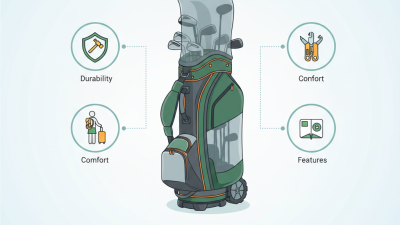
Durability and service support deserve equal attention. Ask about warranty coverage, software updates, data privacy, and replacement procedures. A monitor that fails during peak hours damages trust quickly. Integration with booking or payment systems can also improve operations, although compatibility claims need verification. I would test several units with real customers before purchasing. Indoor testing alone can hide problems. Performance data is useful, but the customer experience remains imperfect.