Why Choose Graphite Golf Shafts for Your Business?
For golf equipment businesses, graphite golf shafts offer more than a lighter product. They can influence swing comfort, club speed, customer satisfaction, and repeat purchases. A lighter shaft may help some players create faster swings with less visible effort. It can also make a complete club feel easier to handle during a long practice session.
Tom Wishon, founder of Tom Wishon Golf Technology, once said, “There is no such thing as a standard golf club, and there is no such thing as a standard golfer.” This principle matters when selecting golf shafts for retail, custom fitting, or private-label production. Customers have different swing tempos, launch needs, ages, and physical strengths. A single graphite model rarely serves everyone well.
Graphite also gives manufacturers greater design flexibility. Brands can develop different weights, flex profiles, torque levels, and color finishes. These details create clearer product ranges on a sales floor. A senior player may prefer a 45-gram shaft with a softer flex. A stronger player may need a heavier profile with tighter control. The difference can be felt immediately at the first tee.
Still, graphite is not automatically better. Poor fitting can produce unstable shots, inconsistent contact, or disappointing feedback. Testing remains essential. Businesses should compare prototypes, inspect material quality, and verify performance claims through controlled trials. Even a polished product can miss its target market. That is an uncomfortable possibility, but honest evaluation builds long-term credibility. For companies seeking practical innovation, well-fitted graphite golf shafts can support both performance and commercial growth.
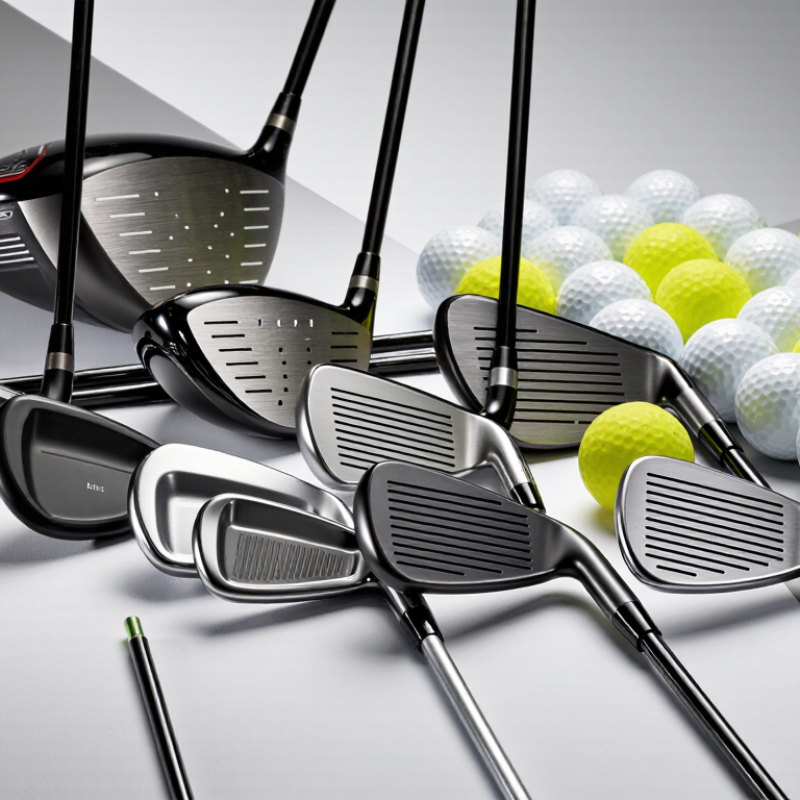
Graphite golf shafts are lightweight composite tubes made from carbon fibers bound with resin.
Their structure differs from steel, which is formed from metal. Manufacturers adjust fiber direction, wall thickness, and resin content to control weight, flex, and torque.
In practical club fitting, graphite shafts often feel easier to swing, especially for players with moderate swing speed or joint discomfort.
Less weight can help a golfer create speed without forcing the motion. They also reduce vibration when the ball is struck, making mishits feel less harsh.
That matters.
For a golf equipment business, these traits create useful product options across different player groups.
A shaft with a softer flex may help a slower swing load properly. A firmer profile can provide stability for a stronger, faster swing.
However, graphite is not automatically better. Poorly matched torque or flex can reduce accuracy, even when the shaft feels comfortable.
Quality control deserves serious attention.
Small differences in fiber alignment, balance point, or finished weight can change club performance. Businesses should verify specifications through measurable testing, including flex consistency, torque, weight, and impact durability.
Customer feedback also reveals details laboratory tests may miss.
Some players enjoy the smooth feel but dislike a lighter clubhead sensation. That is worth considering.
Graphite shafts can support a broader fitting strategy, but they require honest product education.
Avoid promising longer drives for every golfer. Performance depends on the complete club, swing characteristics, and fitting accuracy.
Mistakes happen.
A careful business reviews them and improves its selection process.
Why Choose Graphite Golf Shafts for Your Business?
Graphite and steel shafts serve different performance priorities. Graphite uses layered fibers, reducing weight and increasing design flexibility. Steel is denser, heavier, and often delivers a firmer feel. In fitting sessions, the difference feels immediate. A graphite driver may feel faster through impact. A steel iron can feel steadier. The USGA and R&A’s 2023 Distance Insights Report confirms that distance depends on equipment, technique, and player characteristics. Shaft material alone is not a magic answer.
ASM International material data lists steel density near 7.85 g/cm³. Carbon-fiber composites commonly measure near 1.5–1.6 g/cm³. This explains why graphite shafts can support lighter club builds. Golf Datatech’s 2024 U.S. equipment tracking reports graphite as the leading shaft material in woods, while steel remains widely used in irons. That purchasing data shows market preference, not guaranteed performance. I would avoid treating it as universal proof. Player speed, tempo, and comfort still matter.
Tips: Stock graphite options for slower swing speeds, senior players, and customers seeking easier launch. Keep steel choices for stronger hitters and players wanting direct feedback. Ask about common swing tempo, not only handicap. Test both materials before ordering large quantities. A small fitting sample may prevent an expensive inventory mistake.
Graphite shafts give golf equipment businesses a lighter platform for product development. A lighter shaft can help designers move weight into the clubhead or grip. That creates room for higher launch, easier swing speed, and improved fitting options. These benefits matter across senior, women’s, junior, and recreational segments. The R&A’s Golf Around the World 2023 report recorded 66.6 million on-course golfers across 206 countries. That broad participation supports product lines designed for different strength levels, not one “average” player.
Graphite also reduces vibration compared with many steel designs. Players often notice this after repeated swings on a cold practice range. Less harsh feedback can improve comfort and encourage longer practice sessions. The 2024 SFIA Single Sport Participation Report counted 28.1 million American on-course golfers in 2023. For businesses, that audience creates demand for fitting-led products and replacement shafts. Weight, torque, flex, and bend profile must still match the golfer’s tempo. Lighter is not automatically better. That assumption deserves testing.
Retail teams should measure launch angle, ball speed, dispersion, and customer feedback during fittings. Graphite can cost more and may require tighter quality control during production. A poorly matched shaft can produce inconsistent contact, even when the club feels comfortable. Golf Datatech’s retail tracking reports show the value of monitoring unit sales and average selling prices by equipment category. Businesses should compare those measures against return rates and fitting outcomes. Data helps, but real swings remain essential.
Choosing graphite golf shafts for a business starts with the target customer, not the material alone. A fast-swinging competitive player may need a stable, heavier profile. A recreational player often values lighter weight, comfort, and easier launch. These are patterns, not rules. During fittings, I compare swing speed, tempo, launch angle, and delivery. The golfer’s feel matters too. A shaft that looks ideal on paper can feel harsh in a real swing. That mismatch can damage trust.
For a broad retail market, offer clear weight and flex groups instead of confusing technical menus. Junior golfers need manageable length and weight. Older players may prefer reduced effort and smoother loading. Custom-fit customers usually accept higher prices when performance differences are explained with measured results.
Record test data consistently, including shaft weight, balance point, torque, ball speed, dispersion, and carry distance. Use repeatable swings, not one lucky shot. Indoor monitors help, but outdoor testing reveals wind and turf effects.
Study local weather and purchasing habits as well. Humid regions may require durable finishes and clear storage guidance. Cold conditions can change feel and golfer expectations. Inventory decisions should follow returns, fitting notes, and customer feedback. Not every popular specification suits every market.
I have sometimes overvalued performance numbers and undervalued comfort. That is a useful warning. Reassess the range each season, and let evidence shape the next purchase.
Choosing graphite golf shafts can improve product weight, vibration control, and design flexibility. However, supplier evaluation should begin with evidence, not attractive samples. The R&A’s Global Golf Participation Report 2023 recorded approximately 66.6 million golfers worldwide. That broad market increases demand for consistent, accessible equipment. It also increases quality risks.
Request supplier records for tensile strength, torque, bend profile, resin content, and weight tolerance. ISO 9001 certification supports process control, but it does not replace independent testing. Ask for batch reports and inspect ten shafts from the same production lot. Check markings, paint thickness, tip diameter, and straightness under measured conditions. Small differences matter. A shaft that feels smooth in one club may perform poorly after repeated loading. Field testing should include swing speeds, temperatures, and at least two clubhead designs.
Production cost needs a wider view. The U.S. Department of Energy reports that carbon-fiber manufacturing remains energy-intensive, especially during precursor and heat-treatment stages. Supplier quotes should separate fiber, resin, tooling, labor, inspection, packaging, and shipping. Include mold amortization and expected scrap. Our first cost model underestimated rejected paintwork. That mistake was expensive. Market reports from MarketsandMarkets also indicate continued growth in carbon-fiber demand, which may pressure material pricing. A lower quotation can hide thinner inspection routines or unstable lead times. Compare delivered cost per approved shaft, not the factory price alone. Reserve funds for testing, corrective batches, and design revisions.
How to evaluate suppliers, quality, and production costs